1
254 view
change
0
Tilapia is primarily farmed in large-scale aquaculture facilities, which can raise concerns about environmental sustainability and potential contamination.
Tilapia is generally considered a healthy fish, but it has lower levels of omega-3 fatty acids compared to other fish like salmon or tuna. It may also contain higher levels of mercury than some other fish species.
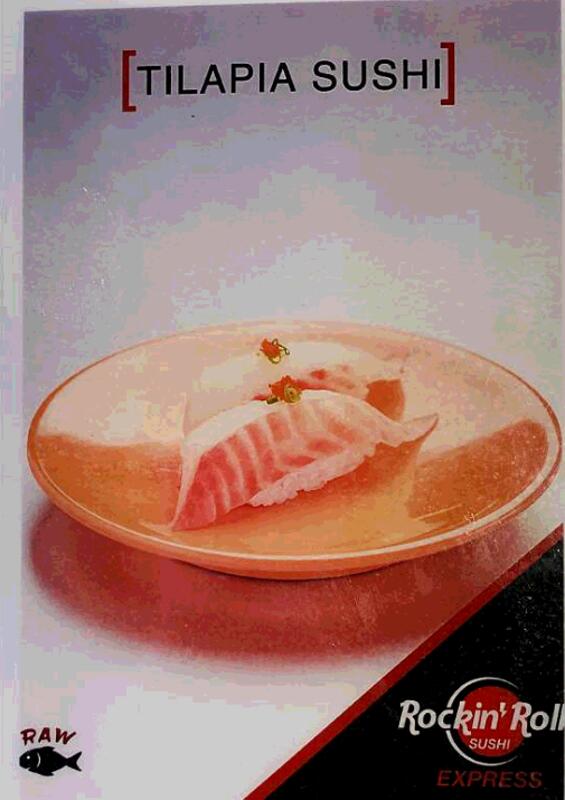
Not all tilapia is suitable for sushi. Only tilapia that has been frozen to kill parasites and bacteria is considered sushi-grade.
Tilapia is a widely available and affordable fish, making it a common choice for sushi restaurants. However, it is not as popular as other fish species like tuna or salmon.
Tilapia has a mild flavor and a firm texture, which can make it a good option for those who prefer a less fishy taste.
The farming of tilapia has raised concerns about environmental sustainability, including water pollution, habitat destruction, and the use of antibiotics.
As with any raw fish, there is a risk of foodborne illness when consuming tilapia sushi. It is important to ensure that the fish is fresh and properly prepared.
Ultimately, the decision of whether or not to eat tilapia sushi is a personal one. Some individuals may prefer the taste and affordability of tilapia, while others may opt for other fish species due to health or sustainability concerns.
DISCLAIMER: This information is provided for general informational purposes only, and publication does not constitute an endorsement. Kwick365 does not warrant the accuracy or completeness of any information, text, graphics, links, or other items contained within this content. Kwick365 does not guarantee you will achieve any specific results if you follow any advice herein. It may be advisable for you to consult with a professional such as a lawyer, accountant, or business advisor for advice specific to your situation.
today
Copyright © 2026 KwickEAT.com
Designed by KwickPOS is the best restaurant POS