1
301 view
change
0
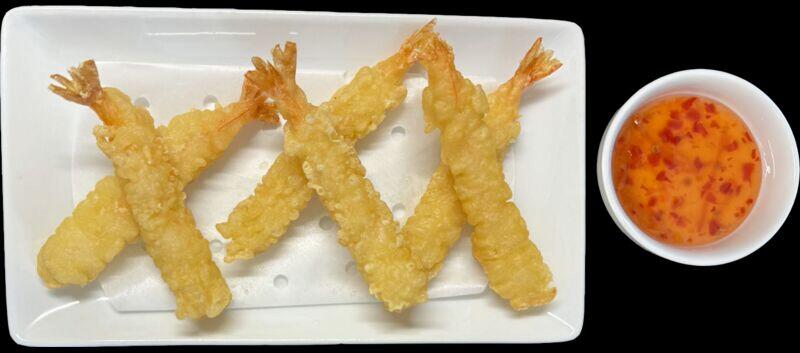
Tempura is a Japanese cooking technique that originated in the 16th century. The word "tempura" comes from the Portuguese "tempero," meaning "seasoning." It involves lightly battering and deep-frying seafood or vegetables to create a crispy exterior, while maintaining the tender interior.
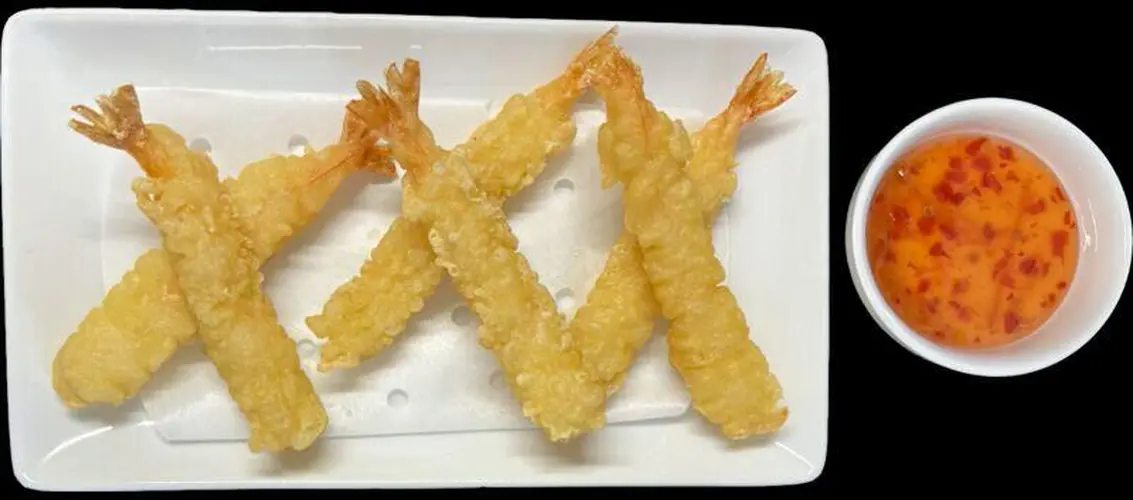
In Japan, tempura shrimp, also known as "ebi tempura," is a staple dish in many restaurants. The dish gained popularity in the 1960s, as Japanese cuisine began to spread globally. As American palates became more adventurous, tempura shrimp became a staple in many US restaurants, particularly in Japanese and Asian-fusion eateries.
Preparing tempura shrimp is an art that requires finesse and precision. Here's a brief overview:
1. Shrimp selection: Fresh, succulent shrimp are typically used, often peeled and deveined.
2. Marinating: Shrimp are marinated in a mixture of sake, mirin (sweet Japanese cooking wine), and sugar to enhance flavor and tenderize.
3. Batter preparation: A light, airy batter made from flour, cornstarch, and ice-cold soda water is prepared. The batter should be delicate, not thick, to ensure crispy, delicate frying.
4. Frying: Shrimp are coated in the batter, then gently lowered into hot oil (usually vegetable oil) at around 350°F (175°C). The shrimp are fried for 2-3 minutes, until golden brown and crispy.
5. Draining and seasoning: Fried shrimp are drained of excess oil and seasoned with salt, pepper, and sometimes a pinch of sugar.
Tempura shrimp is a harmonious balance of flavors and textures:
Now, dear readers, I hope this culinary journey has piqued your interest in tempura shrimp! The next time you spot it on a menu, remember the rich history, precise preparation, and harmonious flavors that come together to create this delightful dish. Bon appétit!
DISCLAIMER: This information is provided for general informational purposes only, and publication does not constitute an endorsement. Kwick365 does not warrant the accuracy or completeness of any information, text, graphics, links, or other items contained within this content. Kwick365 does not guarantee you will achieve any specific results if you follow any advice herein. It may be advisable for you to consult with a professional such as a lawyer, accountant, or business advisor for advice specific to your situation.
today
Copyright © 2026 KwickEAT.com
Designed by KwickPOS is the best restaurant POS