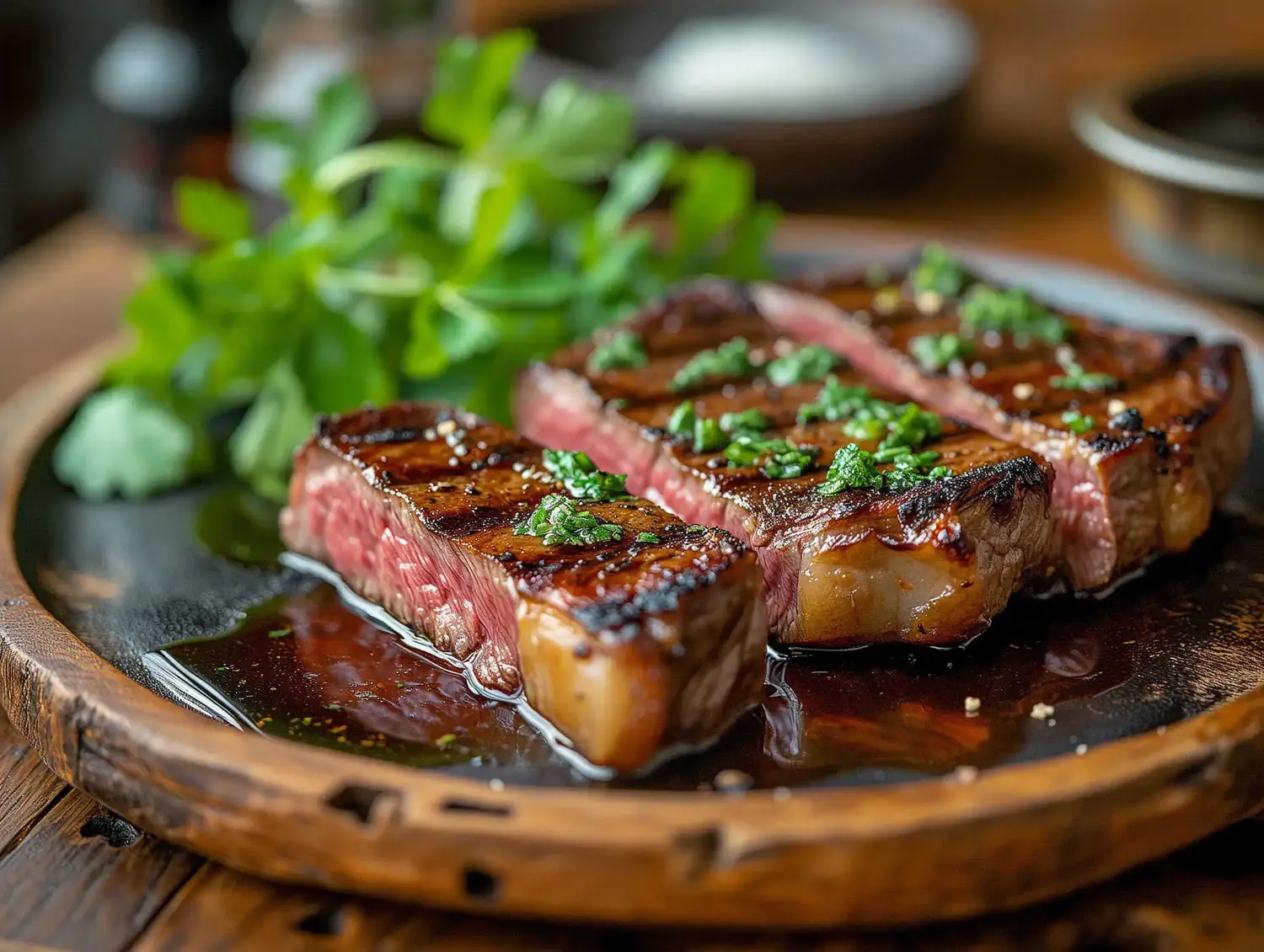
Sushi & Sashimi Moriawase

Sushi & Sashimi Moriawase
1 153 view change 0

Hey there, fellow foodie! Are you curious about sushi and sashimi moriawase? You're in the right place! In this article, we'll dive into the world of Japanese cuisine and explore what makes these dishes so unique and delicious. So, grab a seat at the sushi bar and let's get started! What is sushi? Sushi is a popular Japanese dish that consists of small, vinegar-flavored rice balls or rolls, often served with raw or cooked seafood, vegetables, or egg. The word "sushi" literally means "vinegared rice." Sushi has become a beloved dish worldwide, with many variations and regional twists on the traditional recipe. What is sashimi? Sashimi is another Japanese dish that consists of thinly sliced raw fish or seafood, typically served without rice. The word "sashimi" translates to "pierced body," referring to the raw fish sliced into thin pieces. Sashimi is all about freshness, and the quality of the fish is paramount. Chefs must carefully select and handle the fish to ensure a safe and delicious dining experience. What is sushi and sashimi moriawase? Sushi and sashimi moriawase is a combination of sushi and sashimi dishes served together. Moriawase means "served raw" in Japanese, highlighting the raw fish used in both sushi and sashimi dishes. Imagine savoring the freshness of sashimi alongside the flavorsome sushi rolls - a match made in culinary heaven! Types of sushi and sashimi moriawase Now that you know what's moriawase, let's explore the different types you might encounter in restaurants: 1. Sushi and Sashimi Combo: This is a combination of sushi rolls and sashimi servings. You'll typically get a few pieces of sushi, followed by a sashimi platter with various raw fish options. 2. Sushi Moriawase: This dish focuses more on sushi rolls, with a few sashimi pieces on the side. Expect a variety of sushi rolls, showcasing different ingredients and flavors. 3. Sashimi Moriawase: This dish places the spotlight on sashimi, offering a selection of raw fish, including types of tuna, salmon, and other seasonal seafood. You might accompanied by small sushi rolls or a small bowl of rice. 4. Omakase Moriawase: This dish allows the chef to curate your dining experience, selecting the freshest and most delicious pieces of sashimi and sushi for you to enjoy. Trust the expertise of the chef, and let them guide you through a culinary adventure! How to eat sushi and sashimi moriawase Are you ready to try sushi and sashimi moriawase? Here are some etiquette tips for enjoying these dishes: 1. Use chopsticks: Pick up your sushi or sashimi pieces with chopsticks. Feel free to ask your server for guidance on proper chopstick etiquette. 2. Soy sauce and wasabi: Dip your sushi or sashimi in soy sauce, but avoid mixing wasabi with soy sauce. Add a small amount of wasabi to your sushi or sashimi for a flavor boost, but avoid overpowering the delicate flavors. 3. No mixing: Don't mix sushi and sashimi. It's customary to finish your sushi first, followed by your sashimi. 4. Rice: Remember, sushi rice is a vital component of the dish. Try a few grains of plain sushi rice between bites to cleanse your palate and enjoy a better balance of flavors. Health benefits of sushi and sashimi moriawase These dishes have some surprising health perks, aside from being scrumptious. Let's explore the potential health benefits: 1. Rich in protein: Sashimi and sushi both provide healthy protein sources, essential for muscle growth and maintenance. 2. Low in calories: Sushi and sashimi are low in calories, helping maintain a balanced diet. 3. High in vitamins: Sashimi offers vitamin C, B vitamins, and other essential nutrients. 4. Low in saturated fat: These dishes contain healthy fats but minimal saturated fats, supporting heart health. How to make sushi and sashimi moriawase at home Want to enjoy this dish in the comfort of your home? Here's a simple recipe to get you started: Sushi and Sashimi Moriawase Recipe Ingredients: Sushi: Japanese rice (500g) Japanese rice vinegar (1/4 cup) Sugar (1 1/2 tablespoons) Salt (1 1/2 tablespoons) Bamboo sushi mat Nori seaweed (8-10 sheets) Avocado (1) Cucumber (1/2) Pickled ginger (1/4 cup) Sashimi: Tuna (4 slices) Yellowtail (4 slices) Mackerel (4 slices) Octopus (4 slices) Shrimp (4 slices) Crab stick (4 slices) Japanese leek (thinly sliced) Green shiso leaves (thinly sliced) Soy sauce (1 tablespoon) Wasabi (1 teaspoon) Here's a step-by-step guide: 1. Prepare sushi rice: Rinse the rice and soak it in water for 30 minutes. Drain and cook the rice with rice vinegar, sugar, and salt. Let it cool. 2. Prepare sushi ingredients: Cut the avocado and cucumber into thin slices. Cut the pickled ginger into small pieces. 3. Assemble the sushi: Place a bamboo sushi mat on a clean surface. Lay a nori sheet on the mat. Spread a thin layer of sushi rice onto the nori, leaving a small border at the top. Arrange your ingredients horizontally across the nori, centering them. Roll the sushi using the bamboo mat. Repeat the process to create a few sushi rolls. 4. Prepare sashimi: Cut the tuna, yellowtail, mackerel, octopus, shrimp, and crab stick into thin slices. 5. Garnish sashimi: Arrange the sashimi pieces on a plate. Garnish with Japanese leek and green shiso leaves. 6. Serve: Serve the sushi rolls alongside the sashimi platter. Complete the dish by drizzling soy sauce and wasabi on the sashimi. Facts about sushi and sashimi Delve into the fascinating world of sushi and sashimi with these intriguing facts: 1. Sushi's global popularity: Sushi has become a beloved dish worldwide, with restaurants in the USA, Europe, and other parts of the world serving their unique takes on traditional Japanese sushi. 2. Sushi's history: The origins of sushi can be traced back to ancient Japan, around 2000 years ago. It started as a way to preserve fish in rice and salt, developing into the sushi we know and love today. 3. Sashimi's cultural significance: In Japan, sashimi represents the freshness and quality of the seafood. It's a delicacy that showcases the skill of the chef and the freshness of the catch. 4. Types of sushi: There are several types of sushi, including maki (rolls), nigiri (hand-formed sushi), and temaki (hand rolls). 5. Sushi etiquette: When eating sushi in Japan, it's customary to eat each piece in one bite. Picking up sushi with chopsticks is also a common practice. 6. Sushi as art: Sushi isn't just about taste; it's also about presentation. Sushi chefs train to create visually appealing pieces, blending food art and delicious flavors. 7. Sustainability: Modern sushi restaurants focus on sustainable seafood options, promoting eco-friendly and responsible fishing techniques. 8. World Sushi Day: Celebrate your love for sushi on World Sushi Day, observed on June 18th each year. 9. Sushi in space: Sushi has even made it to space! In 2006, Japanese astronaut Takao Doi took sushi with him on a mission to the International Space Station. 10. Sushi's health benefits: Sushi can be a healthy choice! It's rich in protein, low in calories, and contains essential vitamins and minerals. Enjoy your sushi and sashimi moriawase Now that you know all about these beloved dishes, it's time to indulge in the delicious world of sushi and sashimi moriawase! Whether you're a sushi lover or a newcomer to this culinary delight, remember to savor each bite and appreciate the artistry that goes into creating these dishes. Bon appétit, and enjoy your sushi adventure!

DISCLAIMER: This information is provided for general informational purposes only, and publication does not constitute an endorsement. Kwick365 does not warrant the accuracy or completeness of any information, text, graphics, links, or other items contained within this content. Kwick365 does not guarantee you will achieve any specific results if you follow any advice herein. It may be advisable for you to consult with a professional such as a lawyer, accountant, or business advisor for advice specific to your situation.

These restaurants serving Sushi & Sashimi Moriawase

KOBE STEAK HOUSE

ATLANTA GA

KOBE STEAK HOUSE

ATLANTA GA

Contact us

today