1
271 view
change
0
Kimchi is a traditional Korean side dish made from fermented vegetables, usually cabbage or radish, seasoned with a variety of spices, including chili peppers, garlic, ginger, and other staple Korean ingredients. Kimchi is a staple in Korean cuisine, and its preparation and consumption have been an integral part of Korean culture for centuries.
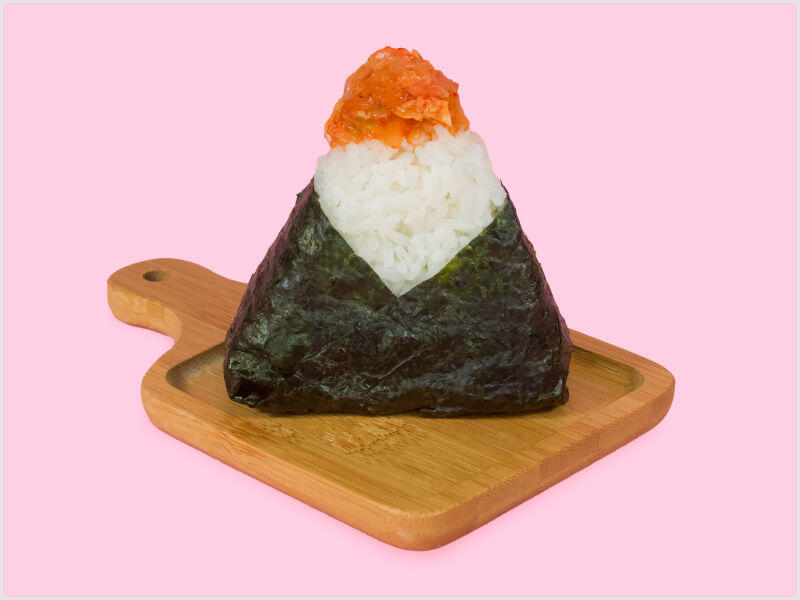
Spicy Kimchi, also known as "Spicy Fermented Korean Cabbage Kimchi" (, korean:,,), is a variation of traditional Kimchi that has gained immense popularity worldwide. It is characterized by its bold, spicy flavor, which is achieved by adding an abundance of chili peppers, garlic, and other spicy ingredients.
Kimchi has its roots dating back to the Goguryeo era (37 BC-668 AD), during which time fermented vegetables were consumed as a means of preserving food. Over time, Kimchi became an essential part of Korean cuisine, with different regions developing their unique Kimchi recipes. The spicy version, in particular, has gained popularity globally, with many restaurants and chefs experimenting with new spicy ingredients and techniques.
Spicy Kimchi typically consists of the following ingredients:
1. Cabbage or napa cabbage: The base ingredient, which is fermented with a variety of spices and seasonings.
2. Korean chili peppers (Gojugaru): These add the characteristic heat and spiciness to the Kimchi.
3. Garlic: Crushed or minced garlic adds a pungent flavor and aroma.
4. Ginger: Fresh ginger adds a hint of sweetness and warmth.
5. Salt: Used to preserve the Kimchi and enhance the flavor.
6. Fish sauce (optional): Some recipes include fish sauce for added umami flavor.
7. Sesame oil or sesame seeds: For added depth and nutty flavor.
Spicy Kimchi is characterized by its bold, pungent flavor, with a spicy kick from the Korean chili peppers. The cabbage is fermented to a state of tanginess, with a slightly crunchy texture from the vegetables. The garlic and ginger add depth and warmth, while the sesame oil or seeds contribute to a rich, nutty flavor.
Spicy Kimchi is often served as a side dish, similar to a salad or relish, to accompany Korean main courses. It is typically served with rice, noodles, or as a topping for soups, stews, or stir-fries. It can also be used as an ingredient in various Korean dishes, such as Bibimbap, Japchae (stir-fried glass noodles), or as a topping for Korean-style BBQ.
Several Korean restaurants in the USA offer Spicy Kimchi as part of their menu, including:
1. Start with a small serving: Begin with a small amount to gauge your spice tolerance.
2. Customize your taste: Ask your server to adjust the spice level or add other ingredients to your taste.
3. Explore different varieties: Try different types of Kimchi, such as White Kimchi, Oi-Sobagi (cucumber), or Gyeran-Jjim (steamed eggs with kimchi).
4. Pair with Korean dishes: Combine Spicy Kimchi with Korean main courses, such as Bibimbap or Japchae.
Spicy Kimchi is a flavorful and spicy Korean dish that has gained popularity worldwide. With its bold flavor and spicy kick, it's a must-try for adventurous food enthusiasts. Whether you're new to Korean cuisine or a seasoned expert, Spicy Kimchi is a dish worth exploring.
DISCLAIMER: This information is provided for general informational purposes only, and publication does not constitute an endorsement. Kwick365 does not warrant the accuracy or completeness of any information, text, graphics, links, or other items contained within this content. Kwick365 does not guarantee you will achieve any specific results if you follow any advice herein. It may be advisable for you to consult with a professional such as a lawyer, accountant, or business advisor for advice specific to your situation.
today
Copyright © 2026 KwickEAT.com
Designed by KwickPOS is the best restaurant POS