1
205 view
change
0
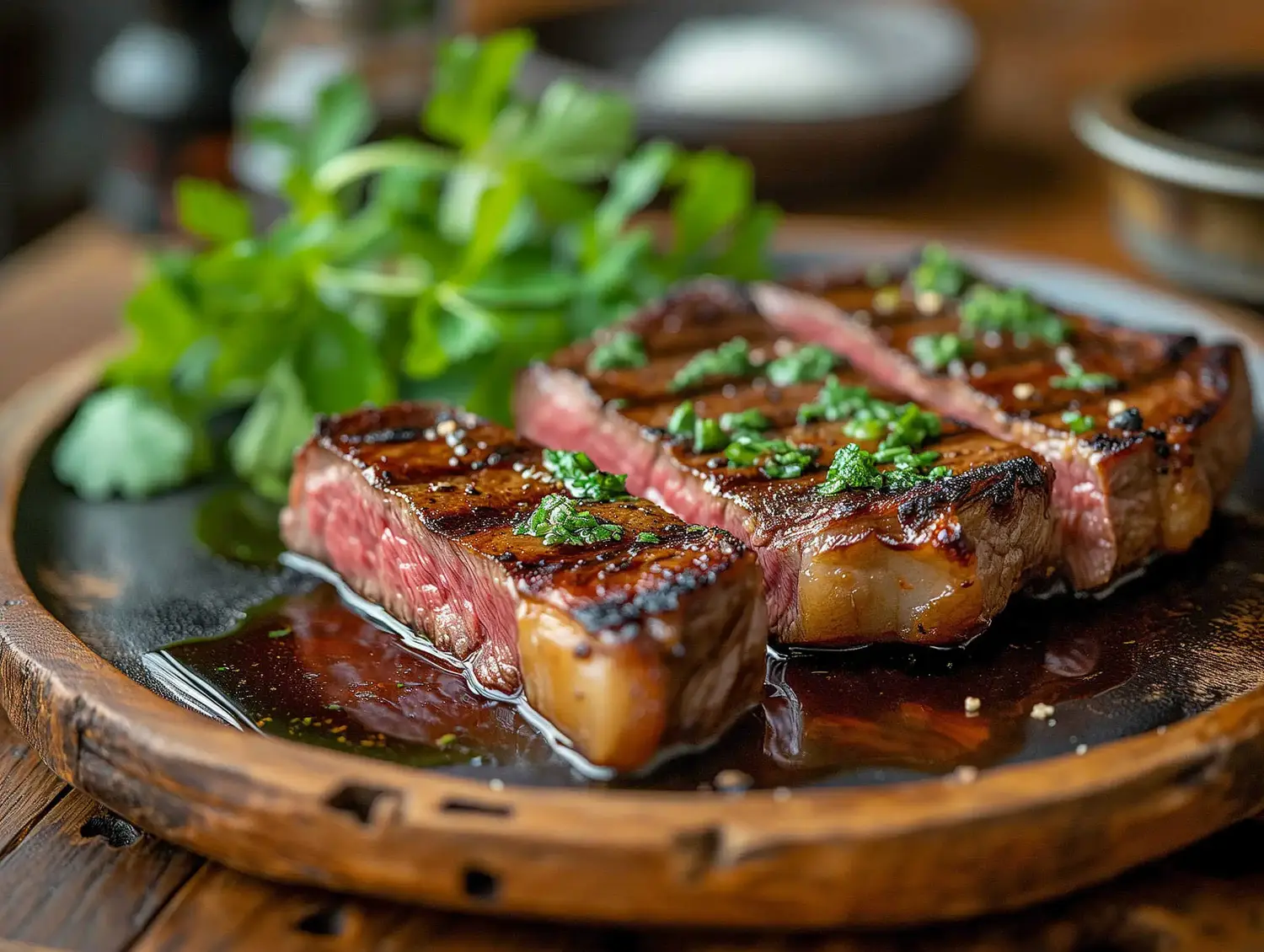
Spicy Hot Pepper Pork, also known as "Hú Là Ròu" in Chinese, is a Sichuan-style stir-fry dish that originates from the Sichuan province in southwestern China. This dish has gained immense popularity in the United States, particularly in Chinese restaurants, due to its bold flavors, numbing spiciness, and satisfying texture.
1. Pork: Thinly sliced pork shoulder or butt, typically marinated in a mixture of soy sauce, sugar, and cornstarch to enhance tenderness and flavor.
2. Sichuan Peppercorns: These unique peppercorns have a distinctive numbing and slightly spicy flavor, which is a hallmark of Sichuan cuisine.
3. Hot Peppers: Thinly sliced hot peppers, such as jalapeño or Sichuan hot peppers, add a spicy kick and crunchy texture.
4. Garlic and Ginger: Minced garlic and ginger provide an aromatic foundation to the dish.
5. Star Anise and Cinnamon: These warm spices add depth and warmth to the flavor profile.
6. Fermented Bean Paste (Doubanjiang): A spicy, savory paste made from fermented soybeans, rice, and salt, which contributes a umami flavor.
7. Soy Sauce and Sugar: These seasonings balance the flavors and add a hint of sweetness.
8. Scallions and Cilantro: Fresh scallions and cilantro are used as garnishes, adding a pop of color and freshness.
1. Marinating: The pork is marinated in a mixture of soy sauce, sugar, and cornstarch to enhance flavor and texture.
2. Stir-Frying: The marinated pork is quickly stir-fried in a hot wok or large skillet with some oil to achieve a caramelized crust.
3. Adding Aromatics: Minced garlic, ginger, and star anise are stir-fried until fragrant, creating an aromatic base for the dish.
4. Adding Chilies and Peppercorns: Thinly sliced hot peppers and Sichuan peppercorns are added to the wok, followed by a quick stir-fry to combine.
5. Adding Fermented Bean Paste: The doubanjiang paste is added to the wok, stirring to combine, and cooking for about 30 seconds to allow the flavors to meld.
6. Seasoning and Serving: The dish is seasoned with soy sauce, sugar, and a pinch of salt. Fresh scallions and cilantro are used as garnishes, and the Spicy Hot Pepper Pork is served steaming hot over rice or noodles.
1. Ask for Spice Level: Inform your server of your preferred spice level, as some restaurants may adjust the heat level to your liking.
2. Pair with Rice or Noodles: Order a side of steamed rice or noodles to help balance the spiciness and soak up the savory sauce.
3. Explore Variations: Some restaurants may offer variations, such as adding vegetables (e.g., bell peppers, mushrooms) or using different types of meat (e.g., chicken, beef).
Now, go ahead and try Spicy Hot Pepper Pork at a restaurant near you!
DISCLAIMER: This information is provided for general informational purposes only, and publication does not constitute an endorsement. Kwick365 does not warrant the accuracy or completeness of any information, text, graphics, links, or other items contained within this content. Kwick365 does not guarantee you will achieve any specific results if you follow any advice herein. It may be advisable for you to consult with a professional such as a lawyer, accountant, or business advisor for advice specific to your situation.
today
Copyright © 2026 KwickEAT.com
Designed by KwickPOS is the best restaurant POS