1
225 view
change
0
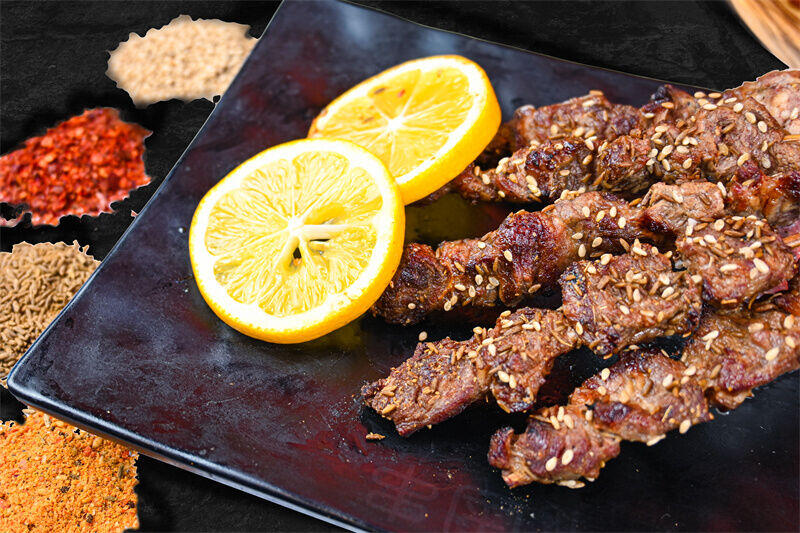
Beef kabobs have their roots in Middle Eastern and South Asian cuisine, where skewered meat has been a staple for centuries. The word "kabob" originates from the Persian word "kabab," meaning "fried" or "roasted meat." Over time, this culinary tradition was adopted and adapted by various cultures, resulting in diverse flavor profiles and cooking techniques.
A classic beef kabob typically consists of marinated beef cubes, usually sirloin, ribeye, or a combination of both, threaded onto skewers along with an assortment of colorful vegetables like bell peppers, onions, mushrooms, cherry tomatoes, and sometimes even fruit like pineapple or apple. The beef is usually marinated in a mixture of olive oil, aromatics, and spices, which can vary depending on the restaurant's recipe.
The marinade is the backbone of a great beef kabob. Common ingredients include:
3. Soy sauce or Worcestershire sauce: Contribute a savory, umami flavor.
4. Herbs like thyme, rosemary, or oregano: Infuse a fresh, herbaceous flavor.
5. Spices like cumin, coriander, or paprika: Add warmth and a hint of smokiness.
Beef kabobs can be cooked using various techniques, including:
1. Grilling: Direct heat from the grill creates a nice char on the outside, while locking in juices.
2. Broiling: Similar to grilling, but with the heat source coming from above.
3. Pan-searing: Quickly cooking the kabobs in a hot skillet with some oil.
4. Oven roasting: A slower, more gentle cooking method that helps retain moisture.
When you order a special beef kabob at a restaurant in the USA, you can expect:
2. A colorful arrangement of vegetables, carefully selected to complement the beef.
3. A range of flavors, from savory and slightly sweet to tangy and aromatic.
4. A satisfying, filling meal that's often served with a side of rice, salad, or grilled bread.
In conclusion, a special beef kabob is a culinary delight that's both flavorful and visually appealing. By understanding the origins, preparation methods, and cooking techniques involved, you'll appreciate the care and craftsmanship that goes into creating this beloved dish. So go ahead, indulge in the rich flavors and textures of a well-crafted beef kabob – your taste buds will thank you!
DISCLAIMER: This information is provided for general informational purposes only, and publication does not constitute an endorsement. Kwick365 does not warrant the accuracy or completeness of any information, text, graphics, links, or other items contained within this content. Kwick365 does not guarantee you will achieve any specific results if you follow any advice herein. It may be advisable for you to consult with a professional such as a lawyer, accountant, or business advisor for advice specific to your situation.
today
Copyright © 2026 KwickEAT.com
Designed by KwickPOS is the best restaurant POS