1
192 view
change
0
Soy sauce, a ubiquitous condiment in American restaurants, has become an indispensable ingredient in a wide range of cuisines. Its distinctive umami flavor and versatility make it a beloved addition to everything from sushi to stir-fries.
Soy sauce is a fermented sauce made from soybeans, wheat, water, and salt. The process begins with soaking soybeans in water, then cooking them until soft. The cooked soybeans are mixed with roasted wheat and a mold culture called Aspergillus oryzae. This mixture is then fermented for several months, during which time the mold breaks down the proteins and carbohydrates in the soybeans and wheat, producing amino acids and sugars.
After fermentation, the mixture is pressed to separate the liquid from the solids. The liquid is then pasteurized and bottled.
There are several different types of soy sauce available, each with its own unique flavor profile:
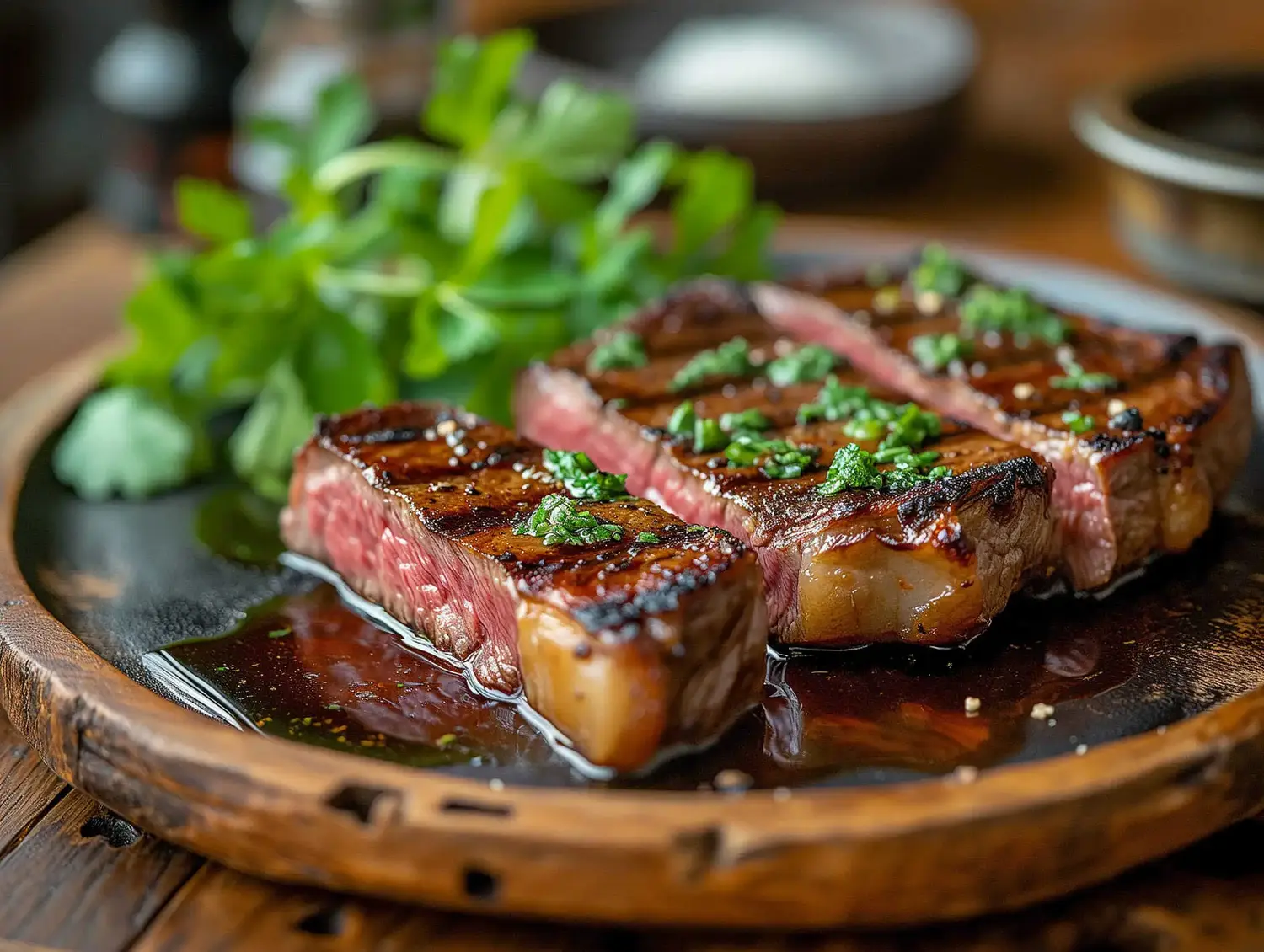
Soy sauce is used in a wide variety of American restaurant dishes, including:
Soy sauce is a versatile and flavorful condiment that has become an indispensable part of American cuisine. Its umami flavor and wide range of uses make it a beloved addition to everything from sushi to stir-fries. Whether you're using it as a dipping sauce, marinade, or ingredient in a sauce, soy sauce is sure to enhance the flavor of your next meal.
DISCLAIMER: This information is provided for general informational purposes only, and publication does not constitute an endorsement. Kwick365 does not warrant the accuracy or completeness of any information, text, graphics, links, or other items contained within this content. Kwick365 does not guarantee you will achieve any specific results if you follow any advice herein. It may be advisable for you to consult with a professional such as a lawyer, accountant, or business advisor for advice specific to your situation.
today
Copyright © 2026 KwickEAT.com
Designed by KwickPOS is the best restaurant POS