1
294 view
change
0
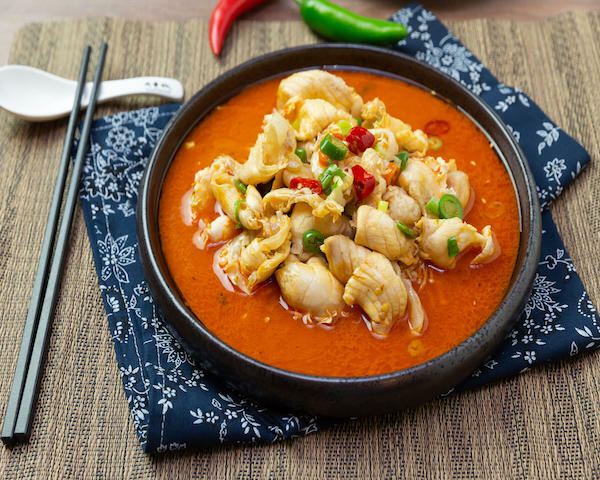
Today, I'm excited to take you on a culinary journey to the Sichuan province in China, where we'll explore the flavors of a dish that has gained popularity worldwide - Sichuan boiled fish, also known as " Hong Zhang Shuang Liang Yu" in Chinese.
Sichuan boiled fish is a traditional dish originating from the Sichuan province in southwestern China. It has gained widespread popularity, and you can now find it in Chinese restaurants worldwide, including the United States. So, let's dive in and learn more about this delicious dish.
The dish's origin can be traced back to the Han dynasty (206 BCE - 220 CE). The story goes that a famous Sichuan chef, Chen Dongpo, created the dish by accident. One day, Chen Dongpo, was preparing a meal for his guests, and he accidentally poured too much oil into the wok. To salvage the dish, he added more water and boiled the fish in chili oil. To his surprise, the dish turned out delicious, and the guests loved it. Thus, Sichuan boiled fish was born.
Sichuan boiled fish includes several critical ingredients. Let's look at each of them in more detail:
1. Fish: The fish used in Sichuan boiled fish can vary, but typically, it's a freshwater fish, such as carp, crucian carp, or mandarin fish. The fish is usually cut into large pieces and cleaned thoroughly before cooking.
2. Chili Oil: Sichuan chili oil is a vital component of this dish. It's made from a variety of chili peppers, garlic, ginger, and Sichuan peppercorns. The chili oil gives the fish its signature spicy and numbing flavor.
3. Sichuan Peppercorns: Native to the Sichuan province, these peppercorns create a unique tingly numbness on the tongue called "mala" in Chinese. The peppercorns are often roasted to bring out their unique flavor.
4. Garlic: Minced garlic is added to the chili oil to enhance the flavor of the dish.
5. Ginger: Thin slices of ginger are commonly added to the dish for extra flavor.
6. Star Anise: This spice has a distinct licorice flavor and aroma. It's commonly used in Chinese cooking and adds depth to the dish.
7. Cinnamon: Cinnamon sticks are often used in Sichuan boiled fish to balance out the spiciness.
9. Scallions: Thinly sliced scallions are used as a garnish and added to the dish just before serving.
Now that we know the essential ingredients let's explore how to prepare Sichuan boiled fish.
1. Prepare the fish: Clean and cut the fish into large pieces. Remove any scales, gills, and bloodlines. Rinse the fish pieces in water, then soak them in cold water for about 15 minutes to remove any impurities. Drain and cut the fish into bite-sized pieces.
2. Make the chili oil: Combine chili peppers, Sichuan peppercorns, garlic, and ginger in a wok or pan. Add oil, and stir-fry the mixture until the chili peppers are fragrant and slightly crispy. Remove from heat and set aside.
3. Cook the fish: In a large wok or pot, bring a pot of water to a boil. Add the fish pieces and cook for about 5-7 minutes, or until the fish is cooked through. Remove the fish from the pot and set it aside.
3. Prepare the broth: In the same pot, add the chili oil, star anise, cinnamon, cloves, and scallions. Let the broth simmer for about 5 minutes.
4. Finish the dish: Add the cooked fish to the pot, ensuring the fish is coated in the flavorful broth. Season with salt and pepper to taste.
5. Serve: Garnish with fresh scallions and serve the Sichuan boiled fish hot.
Sichuan boiled fish has become a world-renowned dish, and its popularity transcends cultural barriers. This dish perfectly encapsulates the essence of Sichuan cuisine, which is known for its bold flavors, particularly the mouth-numbing and spicy sensation.
If you have not tried Sichuan boiled fish before, I encourage you to visit your local Chinese restaurant and give it a taste. I assure you, dear reader, that this dish will leave you wanting more. And for those who have had the pleasure of tasting it, I hope this article has helped you better understand the fascinating history and preparation behind this delectable dish.
DISCLAIMER: This information is provided for general informational purposes only, and publication does not constitute an endorsement. Kwick365 does not warrant the accuracy or completeness of any information, text, graphics, links, or other items contained within this content. Kwick365 does not guarantee you will achieve any specific results if you follow any advice herein. It may be advisable for you to consult with a professional such as a lawyer, accountant, or business advisor for advice specific to your situation.
today
Copyright © 2026 KwickEAT.com
Designed by KwickPOS is the best restaurant POS