1
203 view
change
0
Seasoning blends are proprietary mixtures of spices, herbs, and sometimes other ingredients that are carefully crafted to enhance the flavor of various dishes. Restaurants often create their own unique blends to differentiate their cuisine from others and to achieve consistent flavor profile across their menu items.
One of the most well-known seasoning blends in American cuisine is the "Creole seasoning" commonly used in Cajun and Creole cuisine. This blend typically includes paprika, garlic, onion, thyme, oregano, and cayenne pepper. It adds a bold, savory flavor to dishes like gumbo, jambalaya, and shrimp Creole. Many restaurants in the southern states, especially in Louisiana, use variations of this blend to infuse their dishes with that quintessential Creole flavor.
Another popular seasoning blend in American cuisine is the "Italian seasoning" commonly used in, you guessed it, Italian cuisine. This blend usually features a mix of herbs like basil, oregano, thyme, and rosemary, with occasional addition of garlic powder or onion powder. Italian seasoning enriches pasta dishes like spaghetti, meatballs, and pizza with a fragrant, herbaceous flavor. Many Italian restaurants across the States employ their own version of Italian seasoning to bring authenticity to their dishes.
Of course, there are many other seasoning blends used in American restaurants. "Curry powder" is a popular blend commonly used in Indian, Pakistani, and Middle Eastern cuisine. It typically contains a mix of turmeric, coriander, cumin, cinnamon, cardamom, and cloves. This aromatic blend lends warm, slightly sweet, and slightly spicy flavors to a variety of dishes like curries, stews, and rice dishes. If you've ever enjoyed a flavorful Indian or Pakistani meal at a restaurant, chances are you've experienced the magic of curry powder.
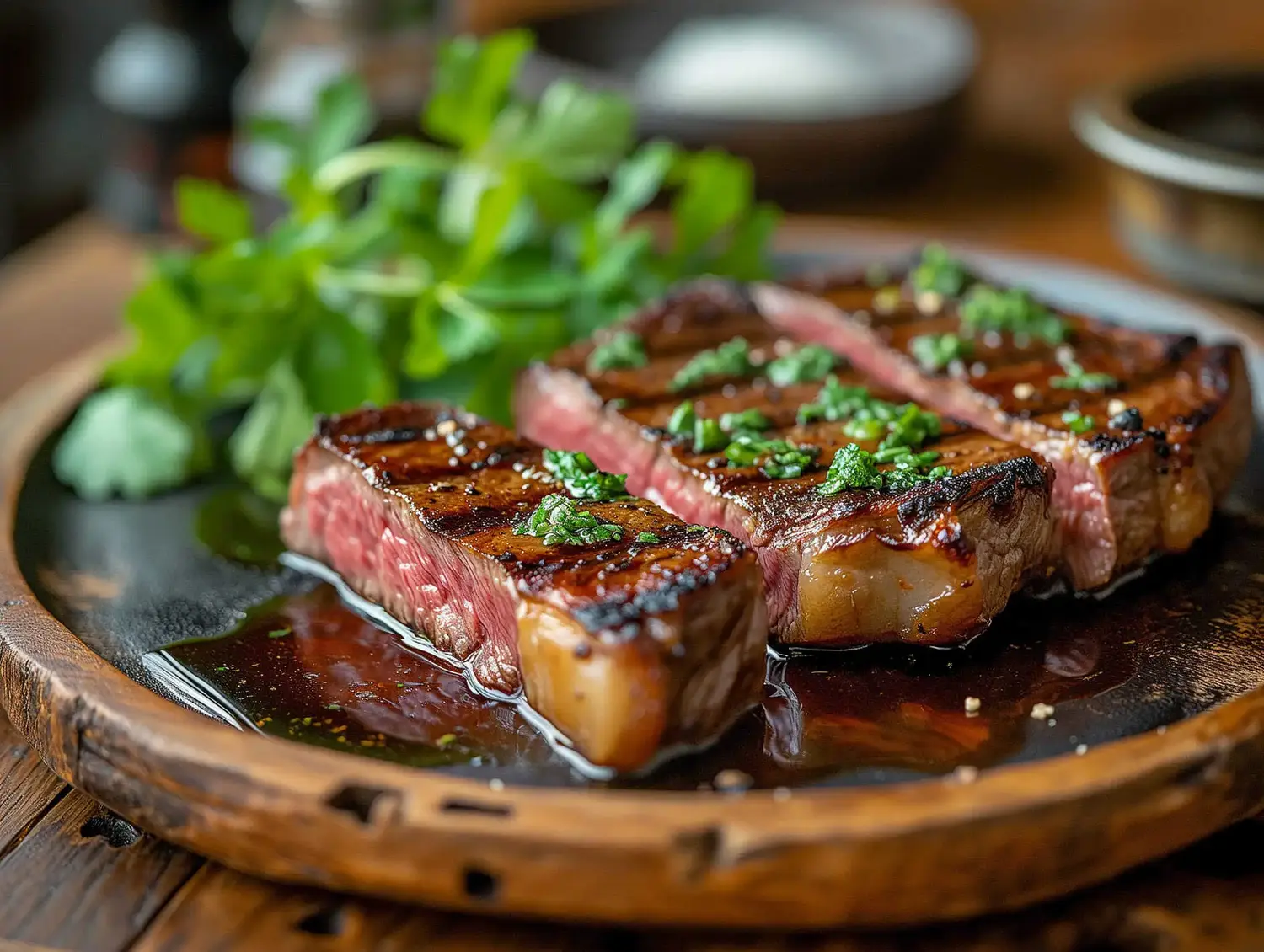
In addition to these ethnic-inspired blends, there are also seasoning blends created for specific dishes. For example, many restaurants have their secret blends for seasoning fries, chicken, or steak. These blends often contain a combination of herbs, spices, and sometimes sugar, designed to complement the natural flavors of the dish.
Now that we've explored some common seasoning blends used in American restaurants, let's discuss how they're commonly used. Chefs and home cooks alike can incorporate these blends into their recipes in a few different ways.
1. Direct Application: The most straightforward approach is to use the seasoning blend directly on the food. sprinkle it over meats, vegetables, or soups before or during cooking. This method allows the flavors of the blend to infuse the dish from the start.
2. Marinades: You can also incorporate seasoning blends into marinades. Combine the blend with other ingredients like oil, acid (such as vinegar or lemon juice), and sometimes sugar, then soak the meats or seafood in the marinade for a few hours or overnight. This technique helps to deeply infuse the flavors of the seasoning into the food.
3. Rubs: For meats like chicken, beef, or pork, you can create a rub by mixing the seasoning blend with other ingredients like brown sugar, salt, and crushed spices. Rub the blend all over the meat before cooking to create a flavorful crust.
4. Sauces and Gravies: Seasoning blends can be added to sauces, gravies, and braising liquids to enhance their flavor. A little sprinkle of the blend can elevate the existing flavors in the sauce or gravy.
5. Salad Dressings: Add a pinch of seasoning blend to salad dressings for an added depth of flavor. Italian seasoning, for example, pairs wonderfully with vinaigrette dressings.
Now you know a little more about the magical world of seasoning blends in American restaurants. Ex experimenting with different blends in your kitchen to discover unique flavor combinations! Remember, a pinch of creativity and a dash of courage when it comes to seasoning can result in culinary masterpieces. Bon appetit, my friends!
DISCLAIMER: This information is provided for general informational purposes only, and publication does not constitute an endorsement. Kwick365 does not warrant the accuracy or completeness of any information, text, graphics, links, or other items contained within this content. Kwick365 does not guarantee you will achieve any specific results if you follow any advice herein. It may be advisable for you to consult with a professional such as a lawyer, accountant, or business advisor for advice specific to your situation.
today
Copyright © 2026 KwickEAT.com
Designed by KwickPOS is the best restaurant POS