1
321 view
change
0
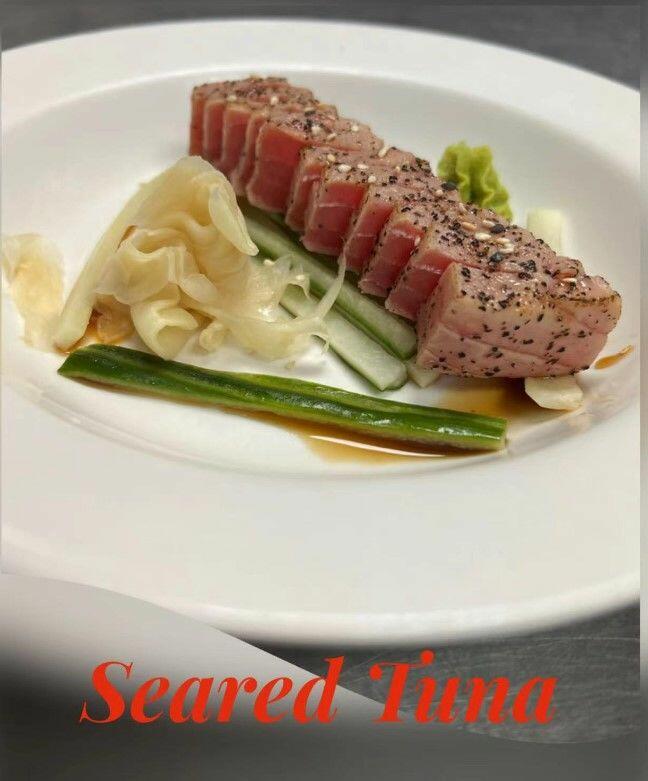
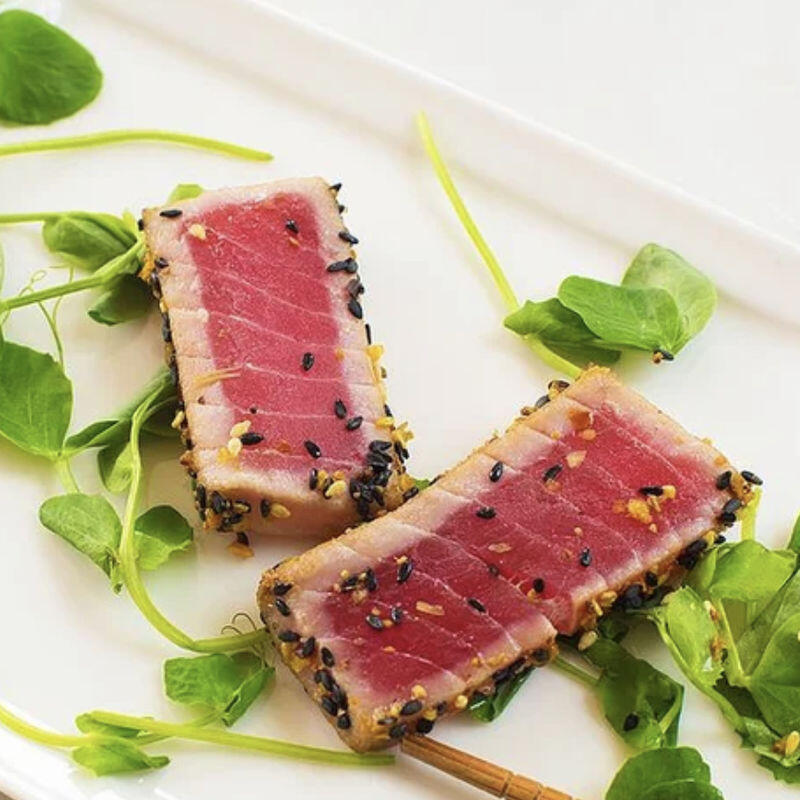
To start, let's define what seared tuna is. In essence, it's a dish that features tuna steak cooked to perfection, with a crispy exterior and a tender interior. The tuna is usually served rare, which means it retains its juiciness and flavor.
Now, let's delve into the history behind this dish. The origins of seared tuna can be traced back to the early 20th century, when sushi started gaining popularity worldwide. As sushi gained traction, chefs began experimenting with different ways to prepare tuna, ultimately leading to the creation of seared tuna.
So, how is seared tuna typically prepared? The process begins with selecting the freshest tuna steaks possible. Usually, the tuna is sashimi-grade, meaning it's of the highest quality and safe to consume raw. Then, the tuna is seasoned with a mixture of spices, herbs, and sometimes soy sauce or mirin (a sweet Japanese cooking wine).
Once the tuna is seasoned, it's seared in a sizzling hot pan coated with a small amount of oil. The key to achieving a perfectly seared tuna is to ensure the pan is hot enough. This crisp exterior, also known as the "crust," locks in the juices, creating a divine harmony of textures and flavors.
Now that we know how it's prepared, let's discuss the various ways seared tuna is served. You'll often find it as an appetizer or entree in upscale restaurants, usually accompanied by a mesmerizing array of flavors and textures. For example, it might be served with a tangy ponzu sauce, a sprinkle of furikake (a Japanese seasoning blend), or a side of pickled ginger.
In addition, some restaurants may offer unique variations of seared tuna, such as adding spicy sauces, avocado slices, or even foie gras. The diversity of presentations and flavors is truly a testament to the versatility and creativity of modern culinary art.
Now that we've explored the history and preparation methods, it's time to discuss the nutritional aspects of seared tuna. As a general rule, tuna is an excellent source of lean protein and rich in omega-3 fatty acids. These fatty acids have been linked to various health benefits, such as improving heart health and supporting brain function. However, it's essential to note that the nutritional value may vary slightly based on cooking methods and ingredients used in the dish.
Seared tuna is not only a delicious dish, but it's also a reflection of the innovation and cultural fusion that characterizes modern cuisine. It's a perfect example of how different culinary traditions can come together to create something truly remarkable.
I hope this column has provided you with a deeper understanding and appreciation for the delectable dish that is seared tuna. So, the next time you're dining out, consider ordering this culinary masterpiece and indulge in the rich flavors and textures that it offers. Bon appétit!
DISCLAIMER: This information is provided for general informational purposes only, and publication does not constitute an endorsement. Kwick365 does not warrant the accuracy or completeness of any information, text, graphics, links, or other items contained within this content. Kwick365 does not guarantee you will achieve any specific results if you follow any advice herein. It may be advisable for you to consult with a professional such as a lawyer, accountant, or business advisor for advice specific to your situation.
today
Copyright © 2026 KwickEAT.com
Designed by KwickPOS is the best restaurant POS