1
275 view
change
0
1. Definition: Salmon sushi refers to thinly sliced raw salmon served with various seasonings and garnishes, typically accompanied by rice and vegetables. It is a popular dish in Japanese cuisine and has gained popularity worldwide due to its unique flavor and health benefits.
2. Preparation: To prepare salmon sushi, chefs typically start by slicing fresh salmon into thin pieces. The fish is usually frozen to a temperature below -4°F (-20°C) for a certain period, a process called "flash freezing," to kill any parasites that may be present. The slices are then seasoned with soy sauce, wasabi, and other flavorings before being arranged on a bed of sushi rice.
3. Types: There are several types of salmon sushi, including:
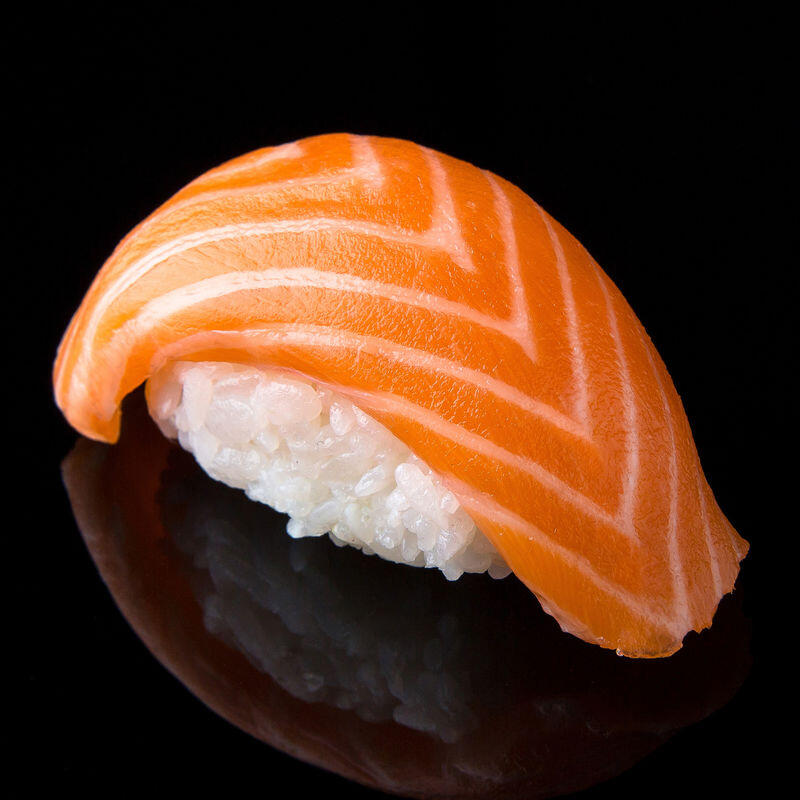
a. Nigiri: A small ball of sushi rice topped with a slice of raw salmon.
c. Maki: Roll-style sushi with rice and salmon wrapped in seaweed.
d. Temaki: A handroll made with nori seaweed and filled with sushi rice and salmon.
4. Flavors and textures: Salmon sushi offers a harmonious blend of flavors and textures. The raw salmon provides a soft, slightly chewy texture, while the sushi rice adds a subtle sweetness. The wasabi and soy sauce add a spicy kick and savory depth, respectively.
5. Nutritional benefits: Salmon is rich in omega-3 fatty acids, which have been linked to various health benefits, such as reducing inflammation and improving heart health. It is also a good source of protein and vitamins D and B12.
6. Pairing suggestions: Salmon sushi pairs well with a variety of drinks, such as green tea, sake, or a crisp lager. For non-alcoholic options, consider a sparkling water or a fruit-infused drink.
7. Food safety: It is important to note that consuming raw or undercooked fish can pose a risk of foodborne illness. To minimize this risk, ensure that the salmon is sashimi-grade and has been properly stored and handled.
8. Variations: Some restaurants may offer variations of salmon sushi, such as adding other ingredients like avocado, cucumber, or pickled ginger.
9. Cost: Prices for salmon sushi may vary depending on the location, quality of the fish, and reputation of the restaurant. On average, a salmon sushi dish can cost between $15 and $30 per serving.
10. Popularity: Salmon sushi has gained worldwide popularity due to its rich flavors, health benefits, and versatility in different cuisines. It is a popular dish in Japanese restaurants and has inspired fusion dishes in other cuisines.
Now that you've learned more about salmon sushi, you'll be better equipped to appreciate its unique taste and cultural significance when ordering at a restaurant!
DISCLAIMER: This information is provided for general informational purposes only, and publication does not constitute an endorsement. Kwick365 does not warrant the accuracy or completeness of any information, text, graphics, links, or other items contained within this content. Kwick365 does not guarantee you will achieve any specific results if you follow any advice herein. It may be advisable for you to consult with a professional such as a lawyer, accountant, or business advisor for advice specific to your situation.
today
Copyright © 2026 KwickEAT.com
Designed by KwickPOS is the best restaurant POS