1
589 view
change
0
In the culinary landscape of the United States, pot stickers have emerged as the enigmatic ninjas of the dumpling world. These unassuming morsels, often found lurking in the shadows of Chinese and Japanese restaurants, possess a deceptive power that belies their humble appearance.
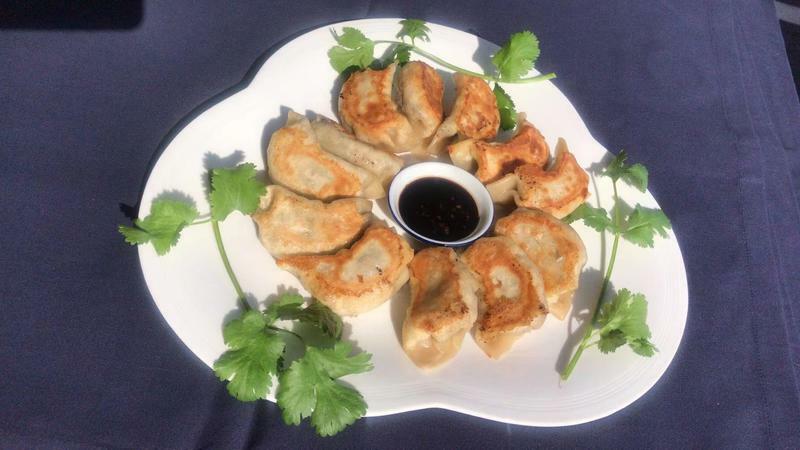
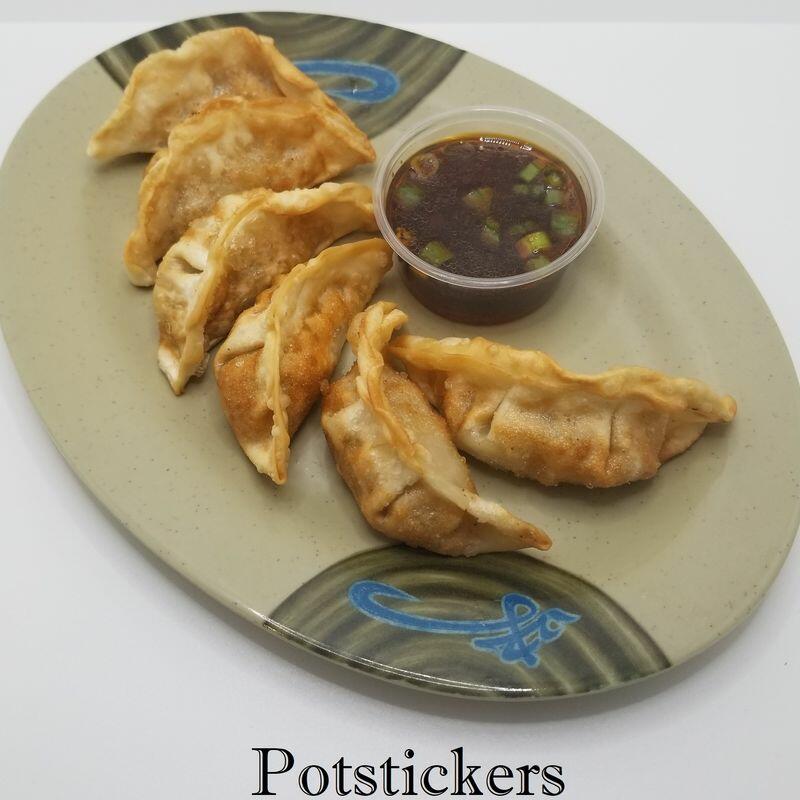
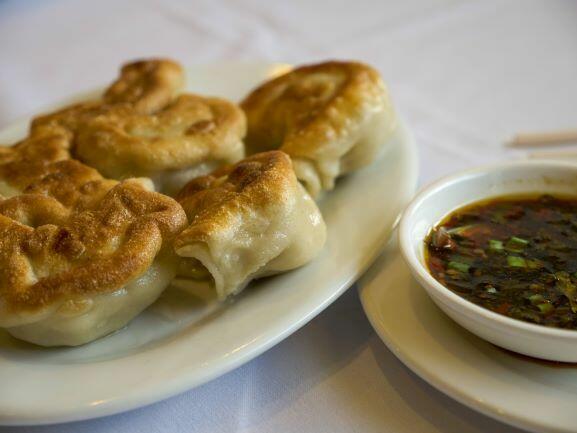
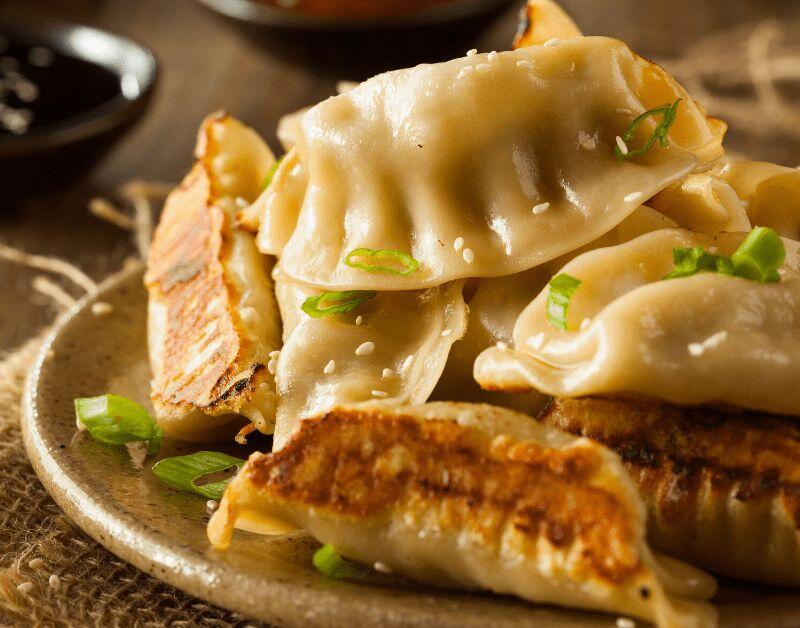
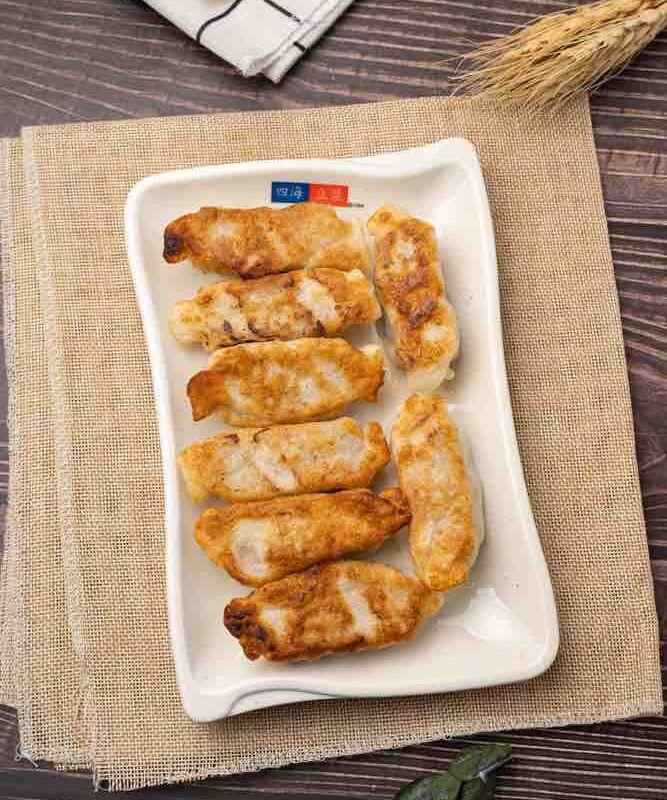
Pot stickers, also known as "guotie" in Chinese and "gyoza" in Japanese, trace their lineage back to ancient China. The name "pot sticker" is a testament to their unique cooking method: they are pan-fried until their bottoms develop a crispy "sticker" that adheres to the pan.
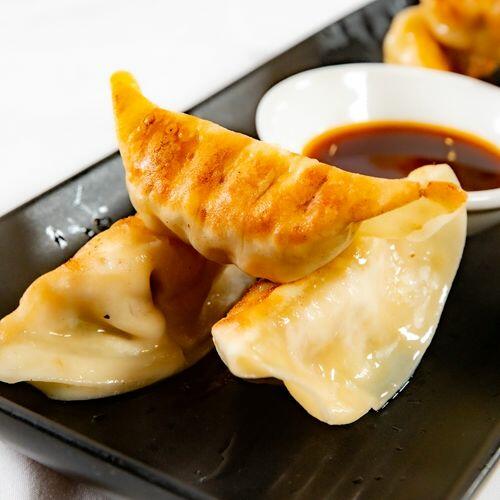
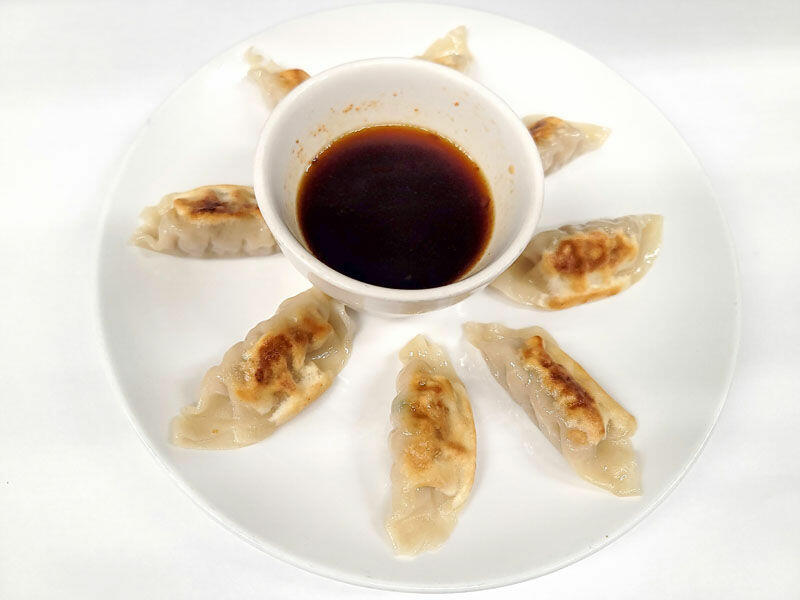
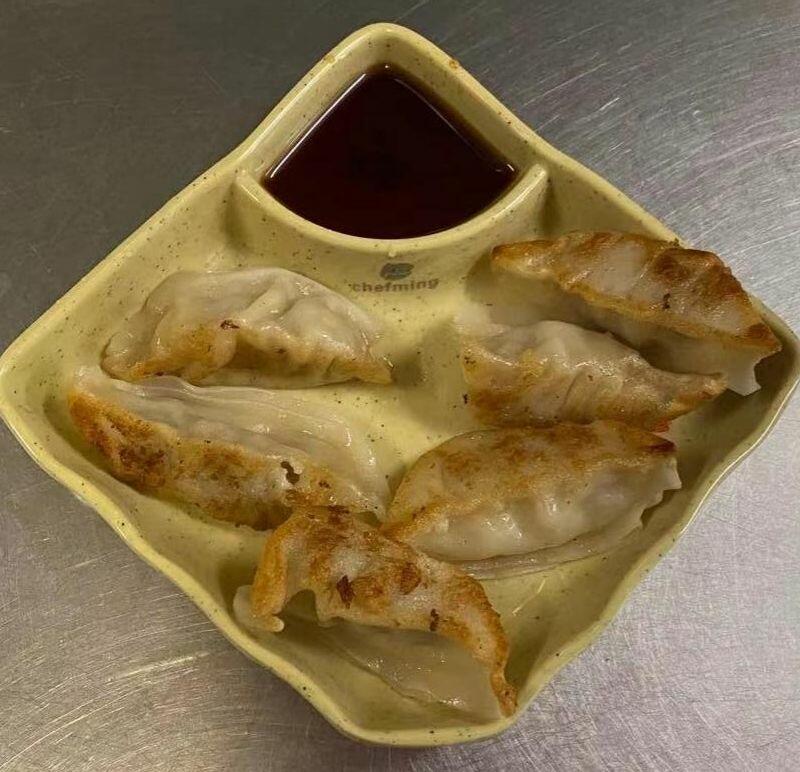
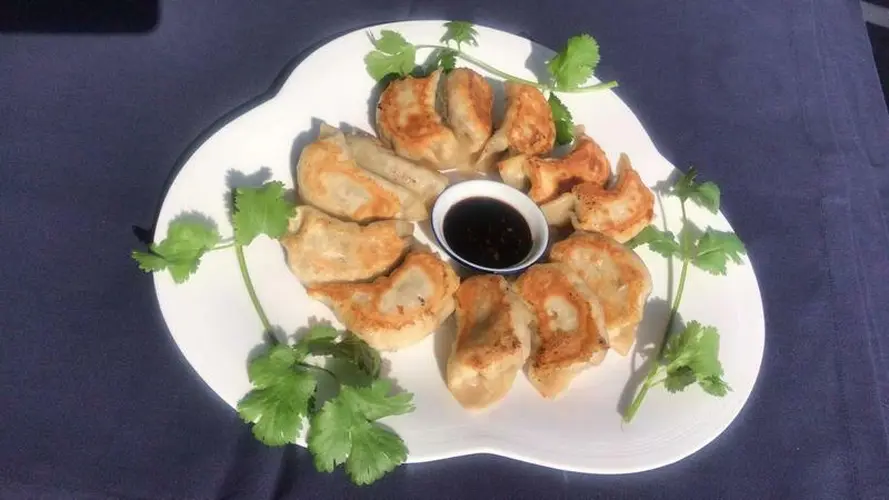
Pot stickers are typically crescent-shaped dumplings, with a thin, translucent wrapper that encloses a savory filling. The filling can vary widely, but common ingredients include pork, chicken, shrimp, vegetables, and a blend of aromatic spices.
Unlike their boisterous cousins, the steamed dumplings, pot stickers prefer to operate in stealth mode. They are often served in unassuming baskets, their crispy bottoms hidden beneath a veil of steam. This deceptive appearance allows them to infiltrate unsuspecting diners' plates, delivering a surprise burst of flavor with each bite.
Pot stickers have mastered the art of culinary camouflage. They can seamlessly blend into any dining experience, from casual takeout to upscale Asian fusion restaurants. Their versatility allows them to accompany a wide range of dishes, from noodle soups to stir-fries.
No pot sticker experience is complete without the proper dipping sauce. The most common accompaniment is a soy-based sauce, often enhanced with vinegar, sesame oil, and chili peppers. However, adventurous diners may also explore dipping options such as ponzu sauce, hoisin sauce, or even sriracha.
While pot stickers may not be the epitome of health food, they do offer some nutritional value. The wrapper provides carbohydrates, while the filling typically contains protein and vegetables. However, the crispy bottom and the often-generous use of oil in the cooking process can add a significant amount of calories and fat.
Pot stickers are the culinary equivalent of a stealth bomber: unassuming on the outside, yet capable of delivering a powerful punch of flavor. Whether you encounter them in a hole-in-the-wall takeout joint or a Michelin-starred restaurant, these enigmatic dumplings are sure to leave a lasting impression on your taste buds. So next time you're craving a culinary adventure, don't be afraid to embrace the stealthy charm of pot stickers.
DISCLAIMER: This information is provided for general informational purposes only, and publication does not constitute an endorsement. Kwick365 does not warrant the accuracy or completeness of any information, text, graphics, links, or other items contained within this content. Kwick365 does not guarantee you will achieve any specific results if you follow any advice herein. It may be advisable for you to consult with a professional such as a lawyer, accountant, or business advisor for advice specific to your situation.
today
Copyright © 2026 KwickEAT.com
Designed by KwickPOS is the best restaurant POS