1
257 view
change
0
In the heart of the bustling American restaurant scene, a dish with an exotic name and tantalizing aroma has captured the palates of diners nationwide: Mongolian beef. While its moniker may evoke images of nomadic herders on the vast Mongolian steppes, this culinary creation has a unique story that intertwines Eastern flavors with Western ingenuity.
Contrary to its name, Mongolian beef did not originate in Mongolia. It is believed to have been created in the 1950s by Chinese-American restaurateurs in Taiwan. Inspired by the bold flavors of traditional Mongolian cuisine, they adapted the dish to suit the tastes of their American clientele.
Over time, Mongolian beef evolved into a popular dish in Chinese-American restaurants across the United States. It became a staple of takeout menus and a favorite among diners seeking a flavorful and satisfying meal.
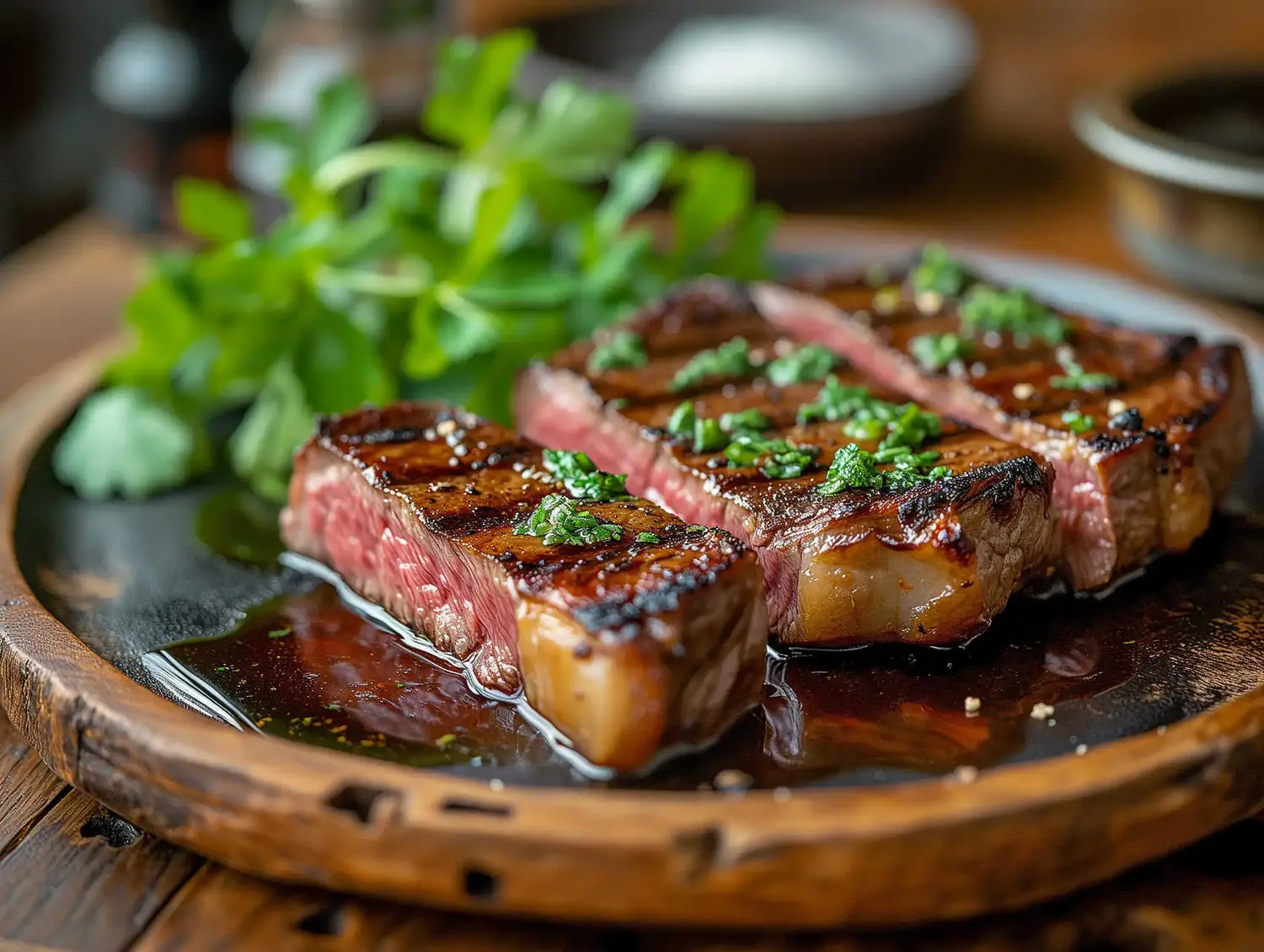
Mongolian beef is typically made with thinly sliced flank steak or skirt steak. The meat is marinated in a savory sauce made with soy sauce, brown sugar, garlic, ginger, and sesame oil. The marinated steak is then stir-fried in a hot wok or skillet until it is tender and slightly charred.
The sauce is the key to Mongolian beef's distinctive flavor. It is a rich and tangy blend of sweet and savory ingredients, with a hint of heat from chili peppers. The sauce coats the steak and vegetables, creating a flavorful and aromatic dish.
Mongolian beef is often served with a variety of accompanying ingredients, including:
While the classic Mongolian beef recipe remains popular, there are numerous variations on the dish. Some restaurants offer a spicy version with additional chili peppers or Sriracha sauce. Others add pineapple or mango for a touch of sweetness.
Mongolian beef is a relatively high-calorie dish, due to the use of oil in the stir-frying process. However, it can be made healthier by using leaner cuts of meat and reducing the amount of oil used. The dish also contains a good amount of protein and vegetables, making it a more balanced meal.
Mongolian beef is a beloved dish that has become a staple of American Chinese cuisine. Its bold flavors, tender meat, and versatility have made it a favorite among diners of all ages. Whether enjoyed as a takeout treat or a restaurant delicacy, Mongolian beef continues to tantalize taste buds and transport diners to a culinary realm where East meets West.
DISCLAIMER: This information is provided for general informational purposes only, and publication does not constitute an endorsement. Kwick365 does not warrant the accuracy or completeness of any information, text, graphics, links, or other items contained within this content. Kwick365 does not guarantee you will achieve any specific results if you follow any advice herein. It may be advisable for you to consult with a professional such as a lawyer, accountant, or business advisor for advice specific to your situation.
today
Copyright © 2026 KwickEAT.com
Designed by KwickPOS is the best restaurant POS