1
301 view
change
0
In the heart of the bustling American restaurant scene, a dish with an exotic name and tantalizing aroma has captured the palates of diners across the nation: Mongolian beef. While its origins may lie in the vast grasslands of Mongolia, this culinary creation has evolved into a beloved staple in countless restaurants throughout the United States.
Contrary to its name, Mongolian beef is not a traditional Mongolian dish. It is believed to have originated in Taiwan in the 1950s, where it was created by Chinese immigrants who had fled mainland China during the civil war. These immigrants brought with them their culinary skills and a desire to adapt to their new surroundings.
The dish was initially known as "stir-fried beef with scallions" and was inspired by the flavors of northern Chinese cuisine. Over time, it gained popularity in Taiwan and eventually made its way to the United States in the 1970s.
As Mongolian beef crossed the Pacific, it underwent further adaptations to suit American tastes. The original recipe, which used soy sauce, ginger, and scallions, was modified to include sweeter ingredients such as brown sugar and honey. The beef was also cut into thinner strips and cooked in a wok over high heat, resulting in a crispy exterior and tender interior.
The beef is marinated in the sauce for several hours or overnight, then cooked in a wok or large skillet over high heat. The sauce is added to the beef and cooked until it thickens and coats the meat.
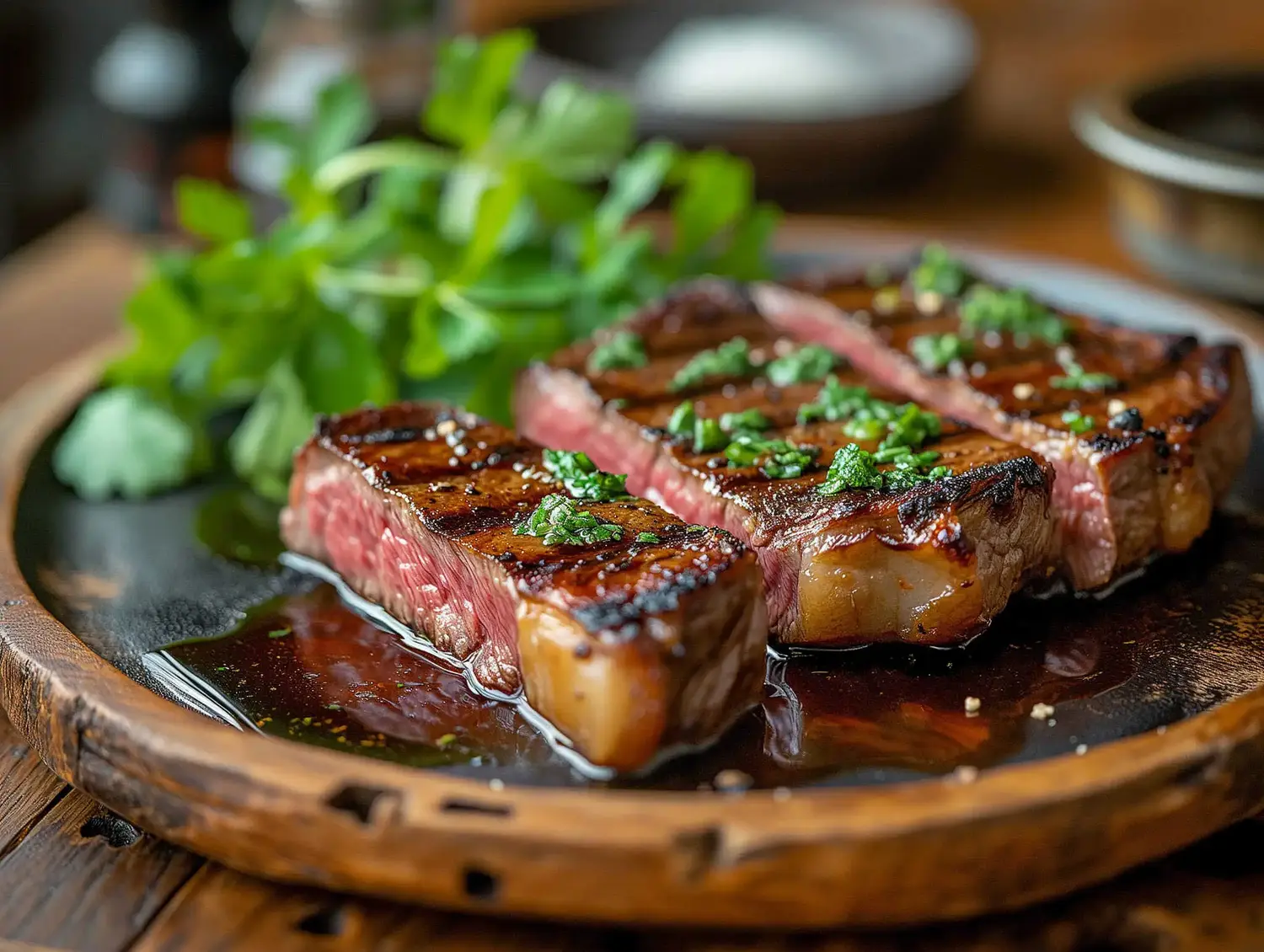
Mongolian beef is characterized by its bold and savory flavor profile. The combination of sweet and salty ingredients creates a harmonious balance that tantalizes the taste buds. The crispy exterior of the beef provides a satisfying crunch, while the tender interior melts in the mouth. The sauce is rich and flavorful, with hints of ginger, garlic, and sesame.
While the classic Mongolian beef recipe remains popular, there are numerous variations that have emerged over the years. Some restaurants offer a spicy version with the addition of chili peppers or Sriracha sauce. Others incorporate vegetables such as broccoli, carrots, or bell peppers into the dish.
Mongolian beef is typically served with rice or noodles. It can also be paired with other side dishes such as egg rolls, spring rolls, or wontons.
Mongolian beef has become an iconic dish in American cuisine, beloved for its bold flavors and versatility. While its origins may lie in the distant steppes of Mongolia, it has evolved into a culinary creation that reflects the vibrant and diverse nature of the American dining experience. Whether enjoyed as a main course or as part of a larger meal, Mongolian beef continues to captivate diners with its tantalizing aroma and unforgettable taste.
DISCLAIMER: This information is provided for general informational purposes only, and publication does not constitute an endorsement. Kwick365 does not warrant the accuracy or completeness of any information, text, graphics, links, or other items contained within this content. Kwick365 does not guarantee you will achieve any specific results if you follow any advice herein. It may be advisable for you to consult with a professional such as a lawyer, accountant, or business advisor for advice specific to your situation.
today
Copyright © 2026 KwickEAT.com
Designed by KwickPOS is the best restaurant POS