1
287 view
change
0
Katsu () is a Japanese dish that consists of a breaded and deep-fried cutlet of meat, usually pork or chicken. The word "katsu" is derived from the Japanese pronunciation of the English word "cutlet."
Katsu originated in Japan in the late 19th century, when Western cuisine was introduced to the country. The dish was inspired by the European schnitzel, which is a breaded and fried cutlet of pork or veal. Over time, Japanese chefs adapted the recipe to create a unique cooking style that blended Eastern and Western flavors.
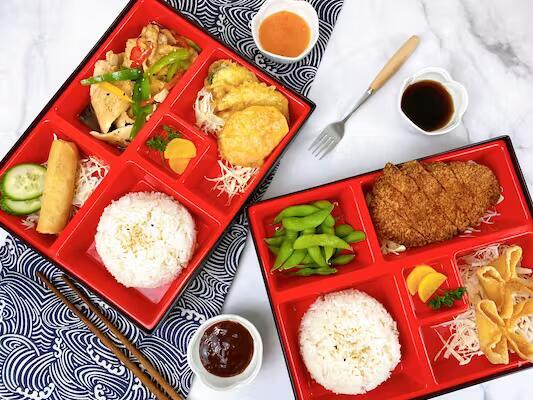
1. Tonkatsu: A breaded and fried pork cutlet, often served with shredded cabbage, rice, and a sweet Worcestershire-like sauce called Tonkatsu sauce.
2. Chicken Katsu: A breaded and fried chicken breast or thigh, often served with a dipping sauce.
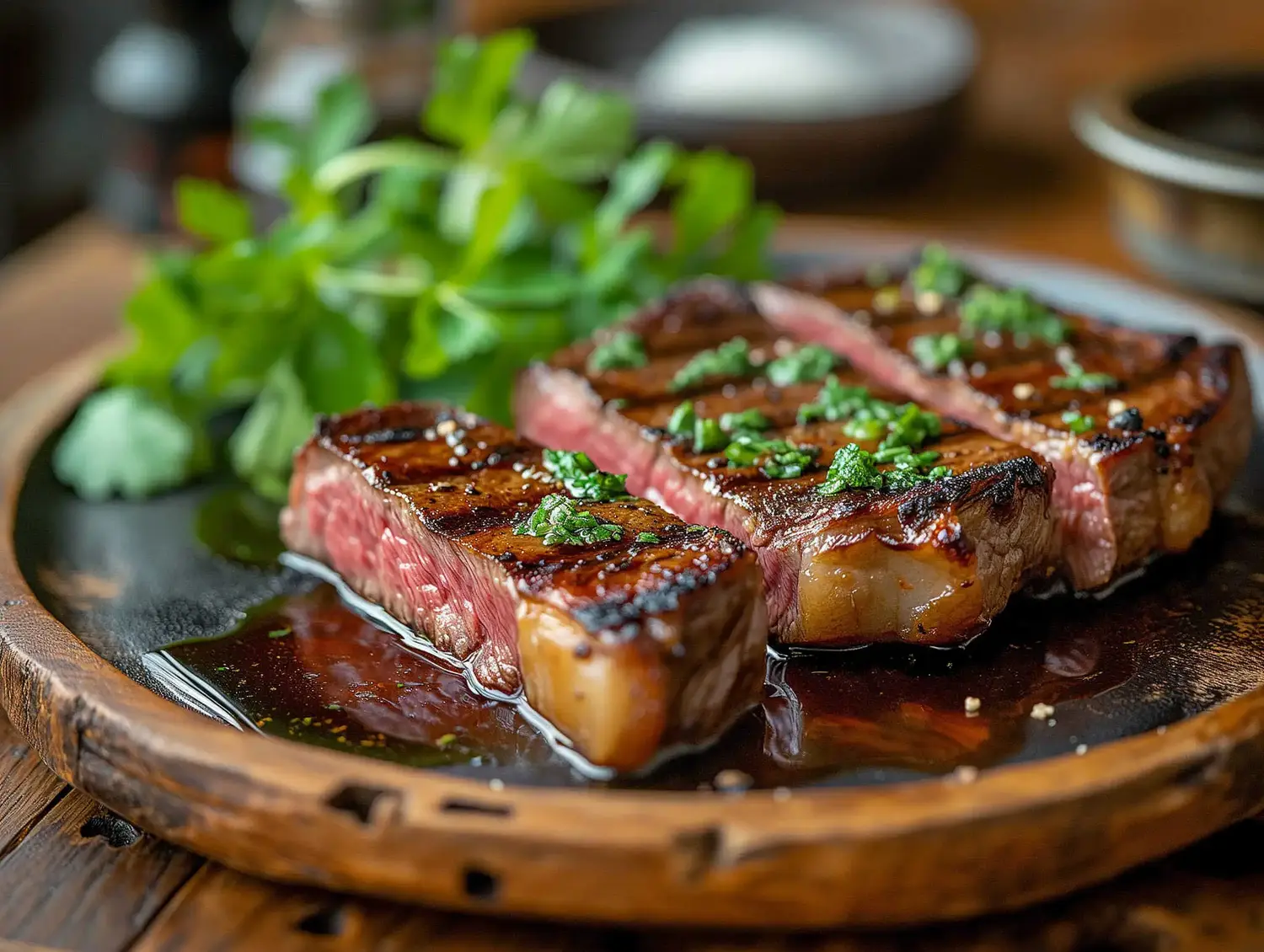
3. Gyukatsu: A breaded and fried beef cutlet, less common than pork or chicken.
1. Pounding: The meat is pounded thin to ensure even cooking and tenderization.
2. Breading: The meat is coated with a mixture of flour, eggs, and breadcrumbs (Panko or regular breadcrumbs).
3. Frying: The breaded meat is deep-fried in oil until golden brown and crispy.
4. Draining: The excess oil is drained, and the Katsu is often served hot with a side of shredded cabbage, rice, and a dipping sauce.
In the United States, you may find variations of Katsu on menus in Japanese restaurants or fusion cuisine eateries. Some common variations include:
1. Katsu Curry: A popular combination of Katsu and Japanese curry sauce, served with rice.
2. Katsu Sandwiches: A Katsu patty served on a bun with lettuce, tomato, and sauces, similar to a Western-style burger.
3. Katsu Bento: A Japanese-style lunchbox with Katsu, rice, and mixed vegetables.
1. Try Tonkatsu first: This is the most traditional and well-known type of Katsu.
2. Ask for the sauce: Tonkatsu sauce or a similar sweet and tangy sauce is a traditional accompaniment to Katsu.
3. Pair with a side: Shredded cabbage, steamed rice, and miso soup are common sides that complement Katsu well.
DISCLAIMER: This information is provided for general informational purposes only, and publication does not constitute an endorsement. Kwick365 does not warrant the accuracy or completeness of any information, text, graphics, links, or other items contained within this content. Kwick365 does not guarantee you will achieve any specific results if you follow any advice herein. It may be advisable for you to consult with a professional such as a lawyer, accountant, or business advisor for advice specific to your situation.
today
Copyright © 2026 KwickEAT.com
Designed by KwickPOS is the best restaurant POS