1
273 view
change
0
The base of Japanese curry is a roux made from flour, fat (usually butter), and curry powder. Curry powder is a blend of spices that typically includes turmeric, coriander, cumin, fenugreek, and chili peppers, among others. The roux is cooked until it becomes a thick paste, and then broth or stock is added to create a smooth, flavorful sauce.
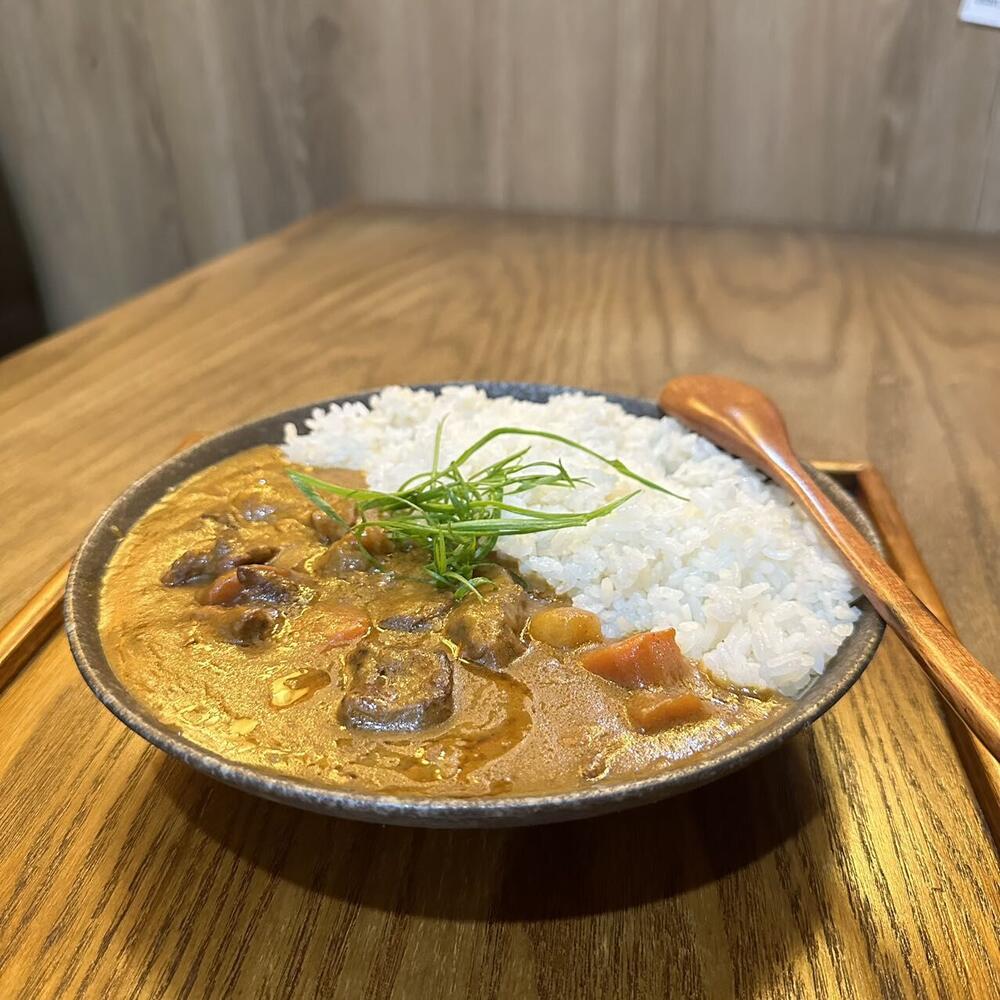
Japanese curry is typically made with a variety of meat and vegetables, such as chicken, beef, pork, potatoes, carrots, onions, and mushrooms. The ingredients are simmered in the curry sauce until they are tender and fully cooked. The curry is then served over a bed of steamed rice and often garnished with pickled ginger or chopped scallions.
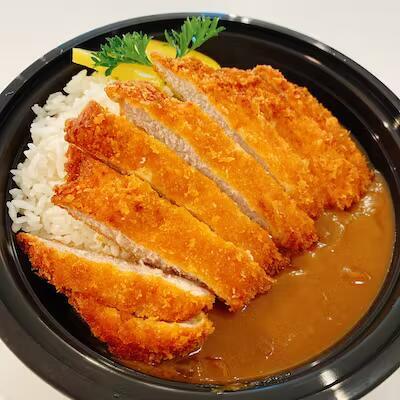
There are many variations of Japanese curry, from mild and sweet to spicy and savory. Some restaurants offer a range of spice levels to accommodate different tastes. Some popular variations include katsu curry, which features a breaded and fried pork or chicken cutlet served on top of the curry, and curry udon, which is a bowl of thick, chewy udon noodles served in curry broth.
Japanese curry has a rich, complex flavor that is both familiar and exotic. It is a hearty, satisfying dish that is perfect for a cold day or anytime you need a little comfort food. Whether you are a fan of spicy food or prefer a milder flavor, Japanese curry is a dish that is sure to please.
DISCLAIMER: This information is provided for general informational purposes only, and publication does not constitute an endorsement. Kwick365 does not warrant the accuracy or completeness of any information, text, graphics, links, or other items contained within this content. Kwick365 does not guarantee you will achieve any specific results if you follow any advice herein. It may be advisable for you to consult with a professional such as a lawyer, accountant, or business advisor for advice specific to your situation.
today
Copyright © 2026 KwickEAT.com
Designed by KwickPOS is the best restaurant POS