1
300 view
change
0
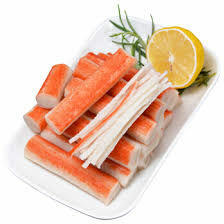
In the culinary realm of the United States, there exists a peculiar delicacy known as imitation crab. This seafood imposter, crafted from a blend of fish and starch, has become a ubiquitous presence in restaurants across the nation, eliciting both amusement and culinary intrigue.
At first glance, imitation crab bears an uncanny resemblance to its crustacean counterpart. Its elongated, segmented body and delicate pink hue mimic the appearance of real crab meat. However, upon closer inspection, one cannot help but notice the telltale signs of its artificial nature. The texture is slightly rubbery, and the flavor, while reminiscent of crab, lacks the subtle nuances of the genuine article.
The taste of imitation crab is a culinary enigma. It possesses a mild, slightly sweet flavor that evokes the essence of crab without fully replicating it. Some describe it as a "seafood-flavored marshmallow," while others find it to be a surprisingly palatable substitute for the real thing.
Despite its humble origins, imitation crab has proven to be a culinary chameleon. It can be found in a myriad of dishes, from sushi rolls to crab cakes and salads. Its versatility stems from its ability to absorb the flavors of its surroundings, making it a perfect complement to a wide range of sauces and seasonings.
While imitation crab may not be as nutritious as real crab, it does offer some health benefits. It is a good source of protein and low in calories, making it a relatively guilt-free seafood option. However, it is important to note that it contains a higher sodium content than real crab, so moderation is key.
The environmental impact of imitation crab is a topic of debate. While it may reduce the demand for real crab, it also contributes to the production of plastic waste. The packaging used to store and transport imitation crab often ends up in landfills, raising concerns about its long-term environmental consequences.
Imitation crab is a culinary oddity that has found its place in the hearts and stomachs of Americans. It is a seafood imposter with a cheeky grin, a taste that is both familiar and unique, and a versatility that makes it a welcome addition to any meal. Whether you embrace it as a budget-friendly alternative or simply enjoy its playful nature, imitation crab is a testament to the boundless creativity of the culinary world.
DISCLAIMER: This information is provided for general informational purposes only, and publication does not constitute an endorsement. Kwick365 does not warrant the accuracy or completeness of any information, text, graphics, links, or other items contained within this content. Kwick365 does not guarantee you will achieve any specific results if you follow any advice herein. It may be advisable for you to consult with a professional such as a lawyer, accountant, or business advisor for advice specific to your situation.
today
Copyright © 2026 KwickEAT.com
Designed by KwickPOS is the best restaurant POS