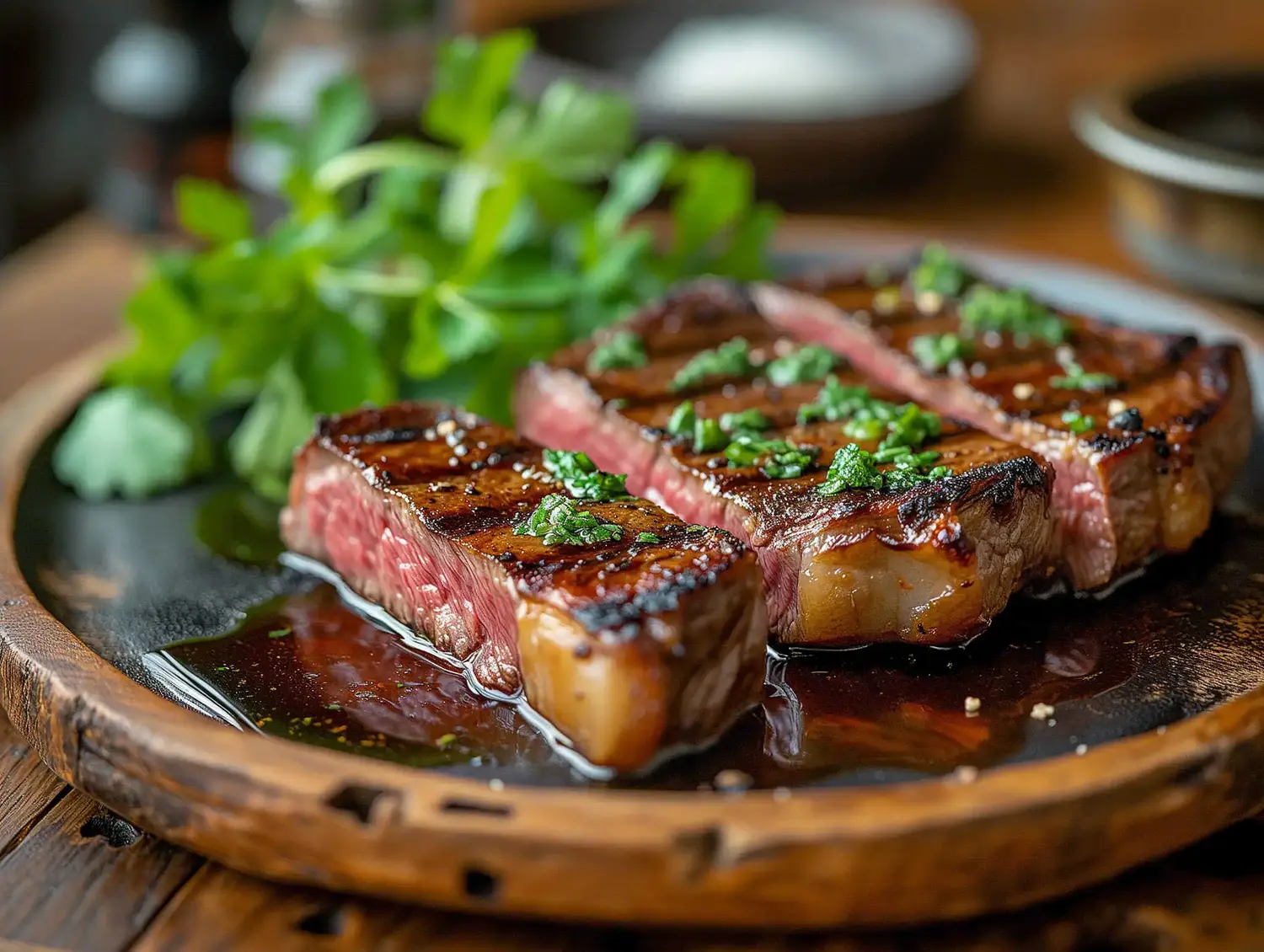
Homemade Sauce

Homemade Sauce
1 207 view change 0

Homemade Sauce: A Culinary Staple in American Restaurants

In the culinary landscape of the United States, homemade sauce holds a revered position, gracing the menus of countless restaurants and delighting diners with its rich flavors and comforting textures. Unlike mass-produced sauces, homemade sauces are crafted with care and attention to detail, using fresh ingredients and time-honored techniques.

The Allure of Homemade Sauce

Homemade sauces offer several advantages over their store-bought counterparts:

  • Freshness
    Homemade sauces are made with fresh ingredients, ensuring vibrant flavors and optimal nutritional value.
  • Customization
    Restaurants can tailor their sauces to suit their unique culinary vision and the preferences of their customers.
  • Authenticity
    Homemade sauces evoke a sense of authenticity and home-cooked goodness, creating a memorable dining experience.
  • Cost-effectiveness
    While homemade sauces may require more labor, they can be more cost-effective than purchasing pre-made sauces.
  • Types of Homemade Sauces

    The variety of homemade sauces found in American restaurants is vast, reflecting the diverse culinary traditions of the country. Some of the most popular types include:

  • Tomato Sauce
    A classic sauce made from tomatoes, onions, garlic, and herbs. It is used in a wide range of dishes, from pasta to pizza.
  • Alfredo Sauce
    A creamy sauce made from butter, cream, Parmesan cheese, and nutmeg. It is often paired with pasta or seafood.
  • Pesto Sauce
    A vibrant green sauce made from basil, pine nuts, garlic, and olive oil. It is commonly used as a topping for pasta or grilled meats.
  • Béchamel Sauce
    A white sauce made from butter, flour, and milk. It is used as a base for many other sauces, such as cheese sauce or Mornay sauce.
  • Hollandaise Sauce
    A rich and creamy sauce made from egg yolks, butter, and lemon juice. It is often served with eggs Benedict or asparagus.
  • The Art of Making Homemade Sauce

    Creating a delicious homemade sauce requires a combination of skill, patience, and the right ingredients. Here are some tips for making great sauces:

  • Use fresh, high-quality ingredients
    The quality of your ingredients will directly impact the flavor of your sauce.
  • Sauté your vegetables
    Sautéing vegetables before adding them to the sauce helps develop their flavors and create a richer base.
  • Simmer slowly
    Allow your sauce to simmer gently for an extended period to allow the flavors to meld and deepen.
  • Taste and adjust
    Taste your sauce throughout the cooking process and adjust the seasonings as needed.
  • Don't overcook
    Overcooking can cause sauces to lose their texture and flavor.
  • Conclusion

    Homemade sauce is an essential component of American restaurant cuisine, adding depth, flavor, and authenticity to countless dishes. Whether it's a classic tomato sauce or a more adventurous pesto, homemade sauces elevate the dining experience and leave a lasting impression on diners. By embracing the art of homemade sauce making, restaurants can differentiate themselves and create a loyal following of satisfied customers.

    DISCLAIMER: This information is provided for general informational purposes only, and publication does not constitute an endorsement. Kwick365 does not warrant the accuracy or completeness of any information, text, graphics, links, or other items contained within this content. Kwick365 does not guarantee you will achieve any specific results if you follow any advice herein. It may be advisable for you to consult with a professional such as a lawyer, accountant, or business advisor for advice specific to your situation.

    These restaurants serving Homemade Sauce

    GREEN TEA

    NEW ORLEANS LA

    JAKE'S CHINESE BUFFET

    Belton TX

    Contact us

    today