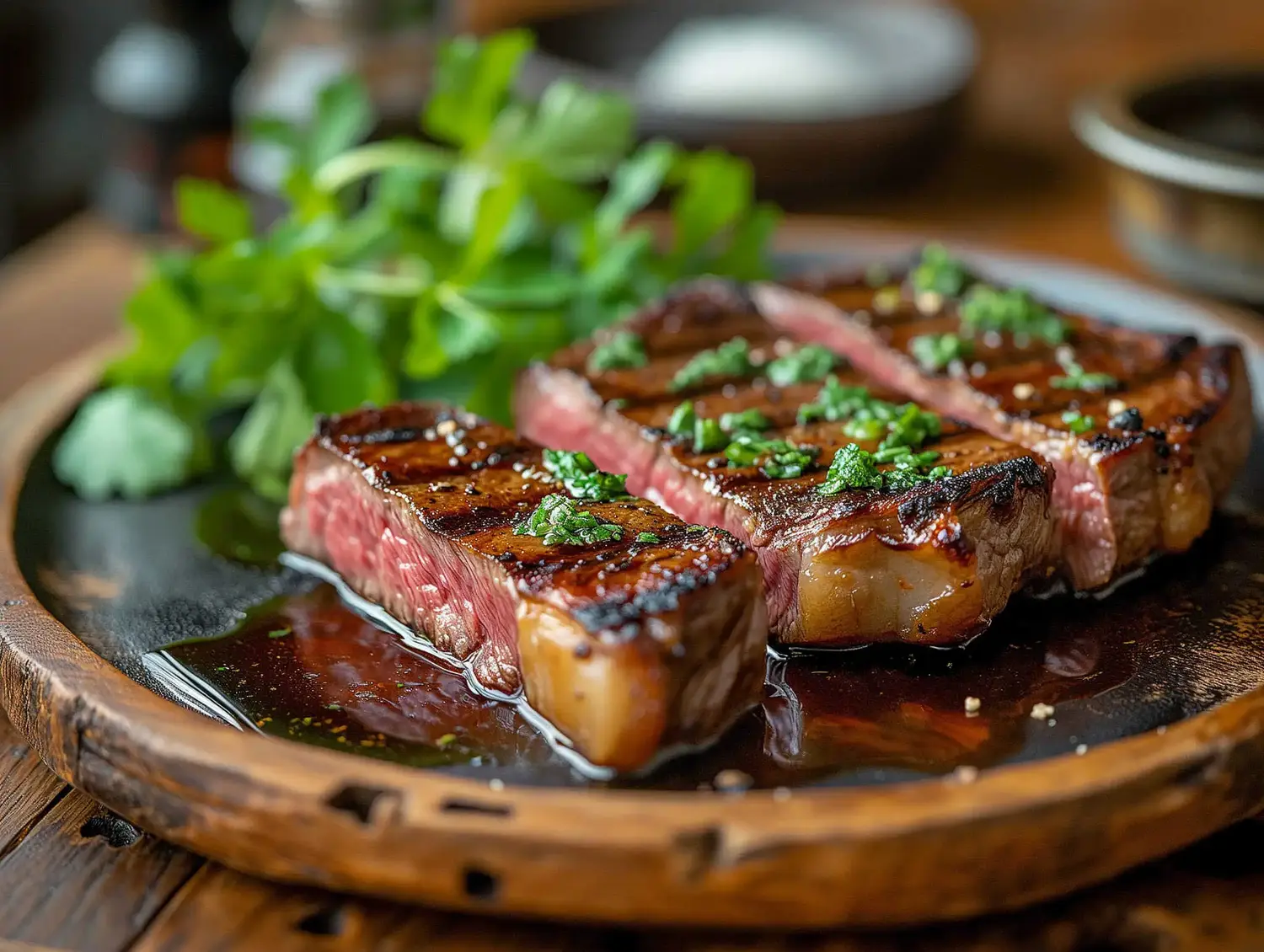
Ham: A Culinary Delicacy in American Restaurants
Ham, a cured meat product made from the hind leg of a pig, has long been a staple in American cuisine. Its versatility and distinct flavor profile have made it a beloved ingredient in countless dishes, from sandwiches to holiday feasts.
Types of Ham
There are several types of ham available in restaurants, each with its own unique characteristics:
Fresh Ham
Uncured and uncooked, fresh ham has a mild flavor and is often used in roasting or braising.Cured Ham
Preserved with salt, sugar, or other curing agents, cured ham has a longer shelf life and a more intense flavor.Smoked Ham
Cured ham that has been smoked over wood chips or sawdust, giving it a distinctive smoky flavor.Country Ham
A type of dry-cured ham that is aged for several months or even years, resulting in a very salty and flavorful product.Preparation Methods
Ham can be prepared in a variety of ways, including:
Roasting
Whole or half hams are roasted in the oven until cooked through.Baking
Sliced ham is baked in a casserole dish with other ingredients, such as potatoes or vegetables.Frying
Sliced ham is pan-fried until golden brown.Grilling
Sliced ham is grilled over medium heat until cooked through.Popular Ham Dishes
Ham is a versatile ingredient that can be used in a wide range of dishes, including:
Ham Sandwiches
Sliced ham is served on bread with various toppings, such as cheese, lettuce, and tomato.Ham and Cheese Omelets
Sliced ham and cheese are added to an omelet for a savory breakfast or brunch.Ham and Potato Soup
A creamy soup made with ham, potatoes, and vegetables.Ham and Bean Soup
A hearty soup made with ham, beans, and vegetables.Ham and Pineapple Pizza
A sweet and savory pizza topped with ham, pineapple, and cheese.Nutritional Value
Ham is a good source of protein, vitamins, and minerals. A 3-ounce serving of cooked ham contains approximately:
17 grams of protein10% of the daily value for iron15% of the daily value for zinc10% of the daily value for vitamin B12Choosing the Right Ham
When choosing a ham for a restaurant, consider the following factors:
Type of Ham
Determine the desired flavor and texture by selecting the appropriate type of ham.Size
Choose a ham that is appropriate for the number of servings needed.Quality
Look for hams that are well-marbled and have a uniform color.Price
Ham prices can vary depending on the type, size, and quality.Conclusion
Ham is a versatile and flavorful meat product that has a long history in American cuisine. Its distinct flavor and versatility make it a popular ingredient in countless dishes, from sandwiches to holiday feasts. By understanding the different types of ham, preparation methods, and nutritional value, restaurants can offer their customers a wide range of delicious ham-based dishes.
DISCLAIMER: This information is provided for general informational purposes only, and publication does not constitute an endorsement. Kwick365 does not warrant the accuracy or completeness of any information, text, graphics, links, or other items contained within this content. Kwick365 does not guarantee you will achieve any specific results if you follow any advice herein. It may be advisable for you to consult with a professional such as a lawyer, accountant, or business advisor for advice specific to your situation.