1
439 view
change
0
Chow mein, a beloved dish found in countless restaurants across the United States, has a rich history that spans continents and centuries. Its origins can be traced back to China, where it is known as chao mian, meaning "stir-fried noodles."
Chow mein emerged in China during the Qing dynasty (1644-1912). It was initially a simple dish made with wheat noodles, vegetables, and a savory sauce. Over time, it evolved into a more elaborate dish, incorporating a wider variety of ingredients and cooking techniques.
Chow mein was introduced to the United States by Chinese immigrants in the late 19th century. It quickly gained popularity among both Chinese and American diners, becoming a staple of Chinese-American cuisine.
In the USA, chow mein has undergone numerous adaptations to suit local tastes and preferences. There are several distinct regional styles, each with its own unique characteristics:
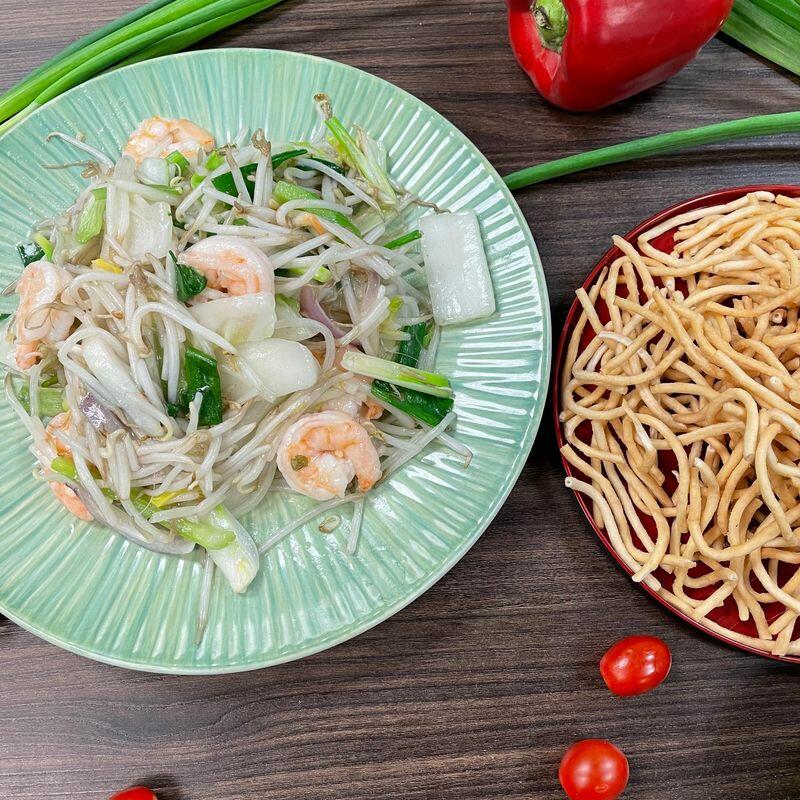
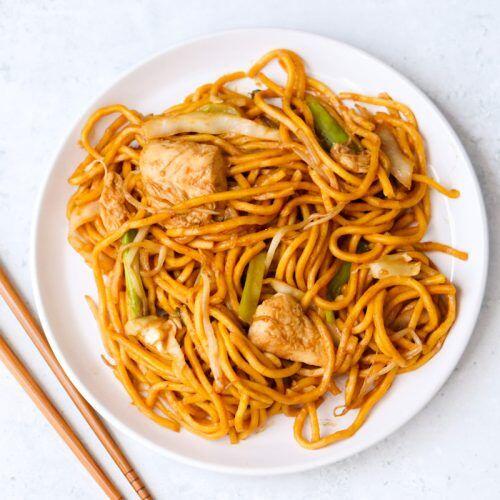
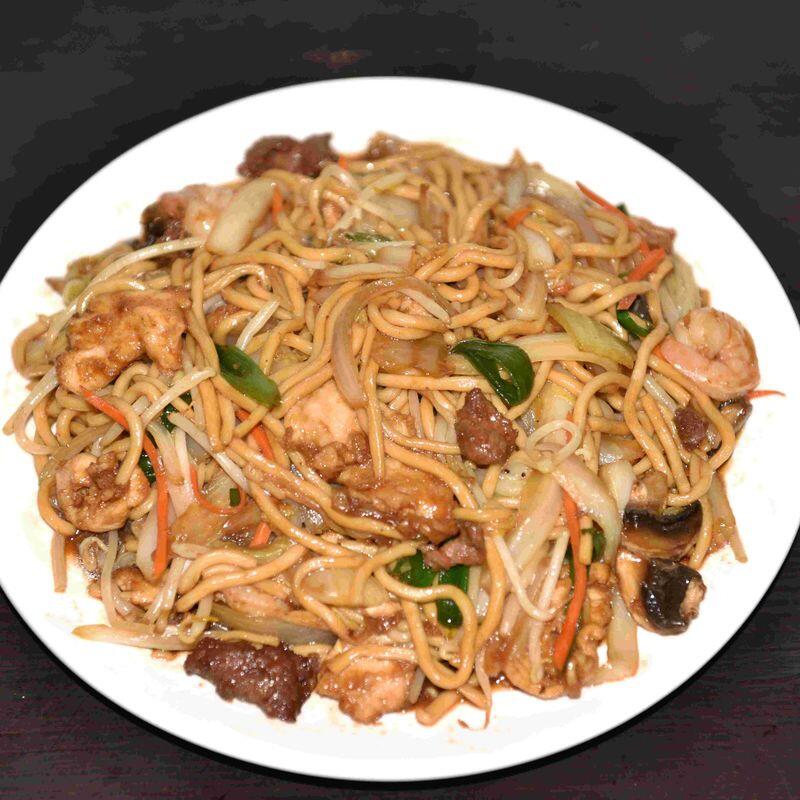
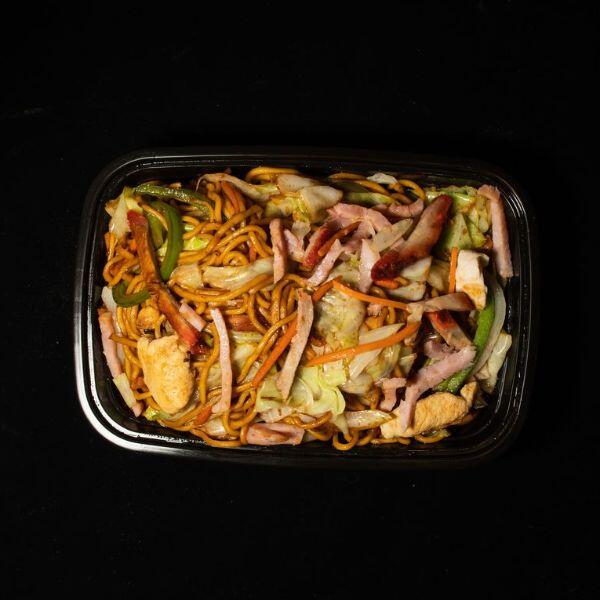
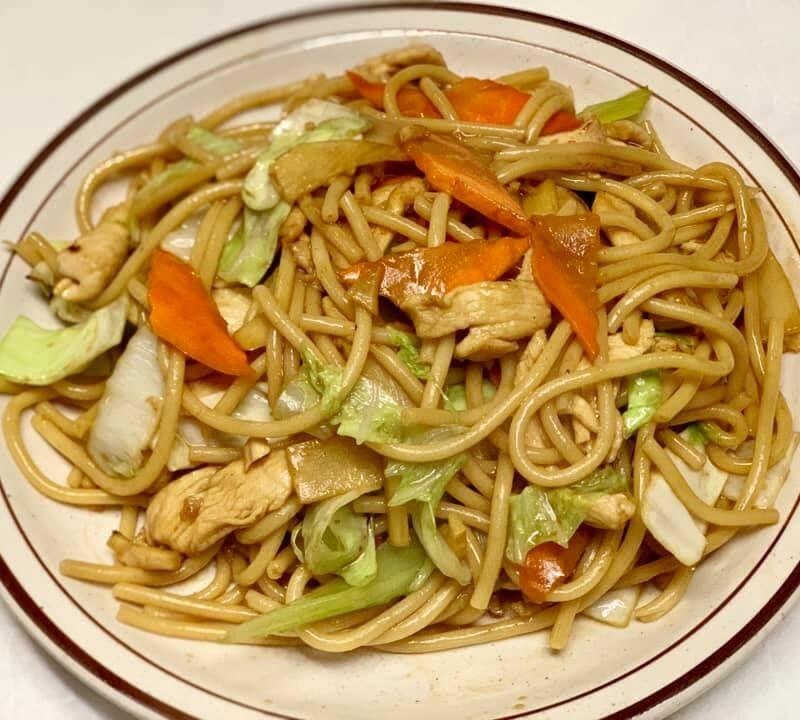
Traditional chow mein is made with wheat noodles, which are first boiled and then stir-fried. The noodles are typically accompanied by a variety of vegetables, such as carrots, celery, onions, and bell peppers. Meat, such as chicken, beef, or pork, is often added for protein.
The sauce is a key component of chow mein. It is typically made with soy sauce, oyster sauce, and sesame oil, and can be seasoned with additional ingredients such as ginger, garlic, and chili peppers.
Chow mein can be a nutritious dish, depending on the ingredients used. The noodles provide carbohydrates, while the vegetables offer vitamins, minerals, and fiber. The meat provides protein, and the sauce can be a source of antioxidants.
Chow mein has become an integral part of Chinese-American culture. It is often served at family gatherings, celebrations, and holidays. It is also a popular dish for takeout and delivery.
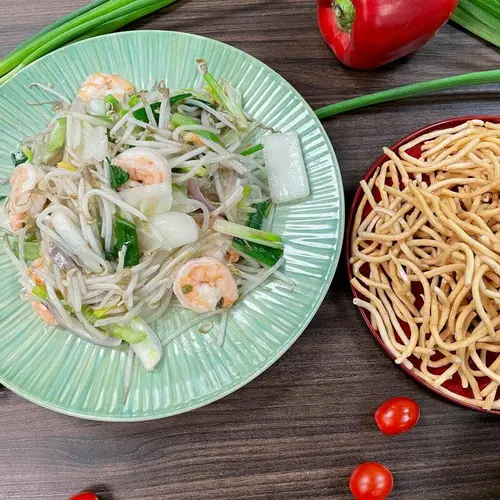
Chow mein is a versatile and delicious dish that has captured the hearts of diners in the USA. Its origins in China have given rise to a wide range of regional variations, each with its own unique flavors and textures. Whether you prefer the crispy noodles of Cantonese chow mein or the spicy kick of Szechuan chow mein, there is a style to suit every palate.
DISCLAIMER: This information is provided for general informational purposes only, and publication does not constitute an endorsement. Kwick365 does not warrant the accuracy or completeness of any information, text, graphics, links, or other items contained within this content. Kwick365 does not guarantee you will achieve any specific results if you follow any advice herein. It may be advisable for you to consult with a professional such as a lawyer, accountant, or business advisor for advice specific to your situation.
today
Copyright © 2026 KwickEAT.com
Designed by KwickPOS is the best restaurant POS