1
533 view
change
0
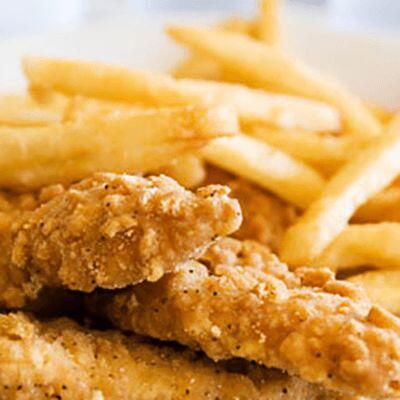
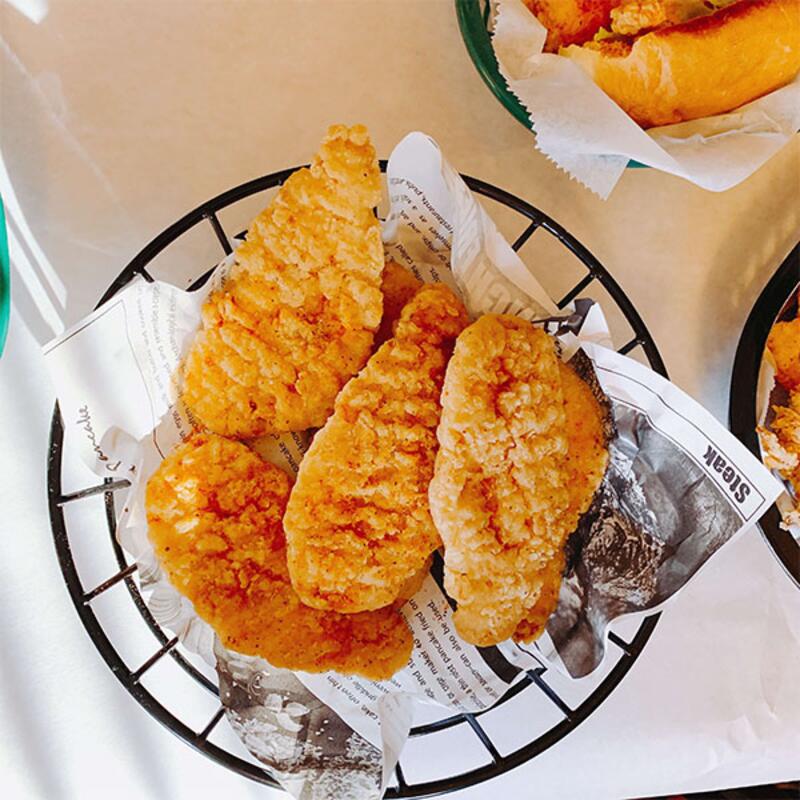
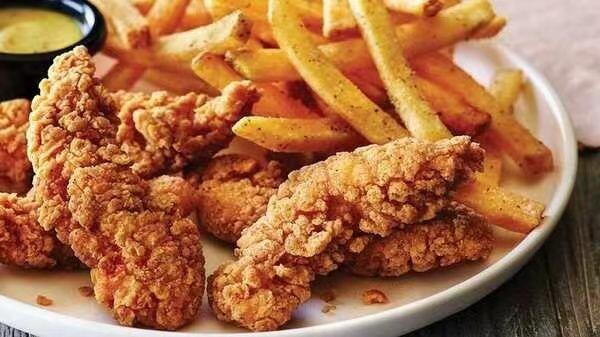
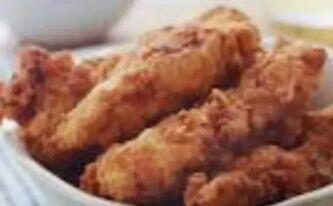
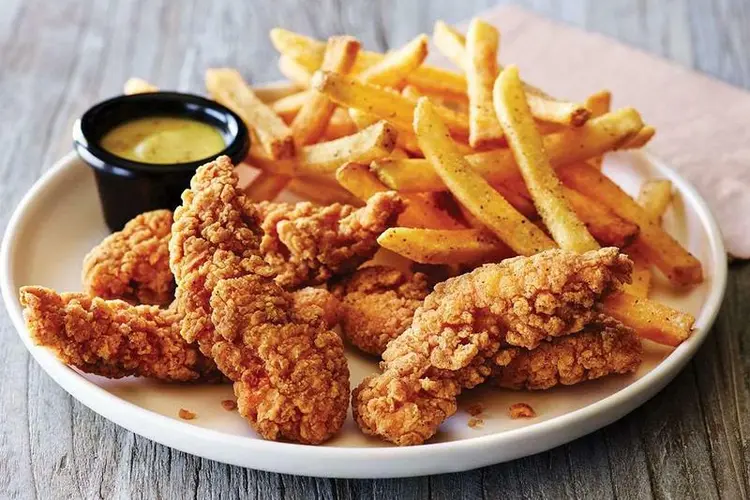
Chicken tenders, those crispy, juicy bites of deliciousness commonly found on American restaurant menus, are a tantalizing treat for many. But for those unfamiliar, or those curious to delve deeper, here's a breakdown on what makes them so special:
The concept of battering and frying chicken strips can be traced back centuries, with versions documented in both colonial America and the South Pacific. However, the modern, widely recognized "chicken tender" as we know it emerged in the 1960s, primarily in the Midwest and South.
- Thin strips of chicken breast, usually pounded thin for even cooking.
- Bathed in a creamy buttermilk marinade for extra flavor and moisture.
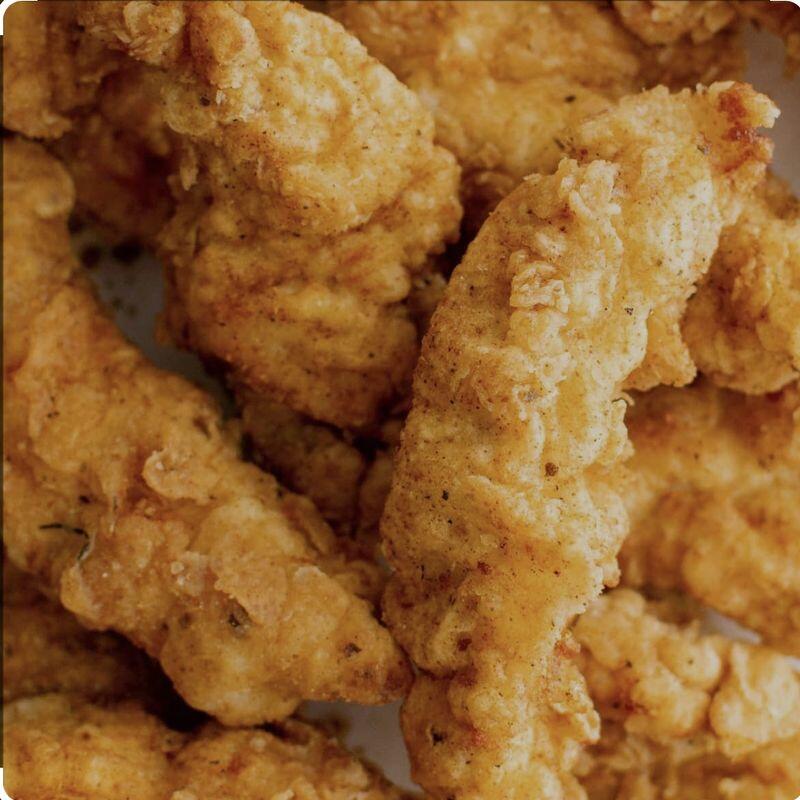
- Dredged in seasoned breading, often a combination of flour, bread crumbs, spices, and sometimes herbs.
The beauty of chicken tenders lies in the perfect balance of textures and flavors.
Chicken tenders hold a special place in American culture, evidenced by their ubiquitous presence in restaurants.
Beyond just the taste and culinary aspects, chicken tenders offer a comforting sense of familiarity. They evoke childhood memories and represent a classic American dining experience.
Chicken tenders hold endless potential for variety and innovation. From gourmet versions with truffle oil and upscale seasonings to sustainable options made with alternative proteins, the future of this beloved dish looks bright.
DISCLAIMER: This information is provided for general informational purposes only, and publication does not constitute an endorsement. Kwick365 does not warrant the accuracy or completeness of any information, text, graphics, links, or other items contained within this content. Kwick365 does not guarantee you will achieve any specific results if you follow any advice herein. It may be advisable for you to consult with a professional such as a lawyer, accountant, or business advisor for advice specific to your situation.
today
Copyright © 2026 KwickEAT.com
Designed by KwickPOS is the best restaurant POS