1
211 view
change
0
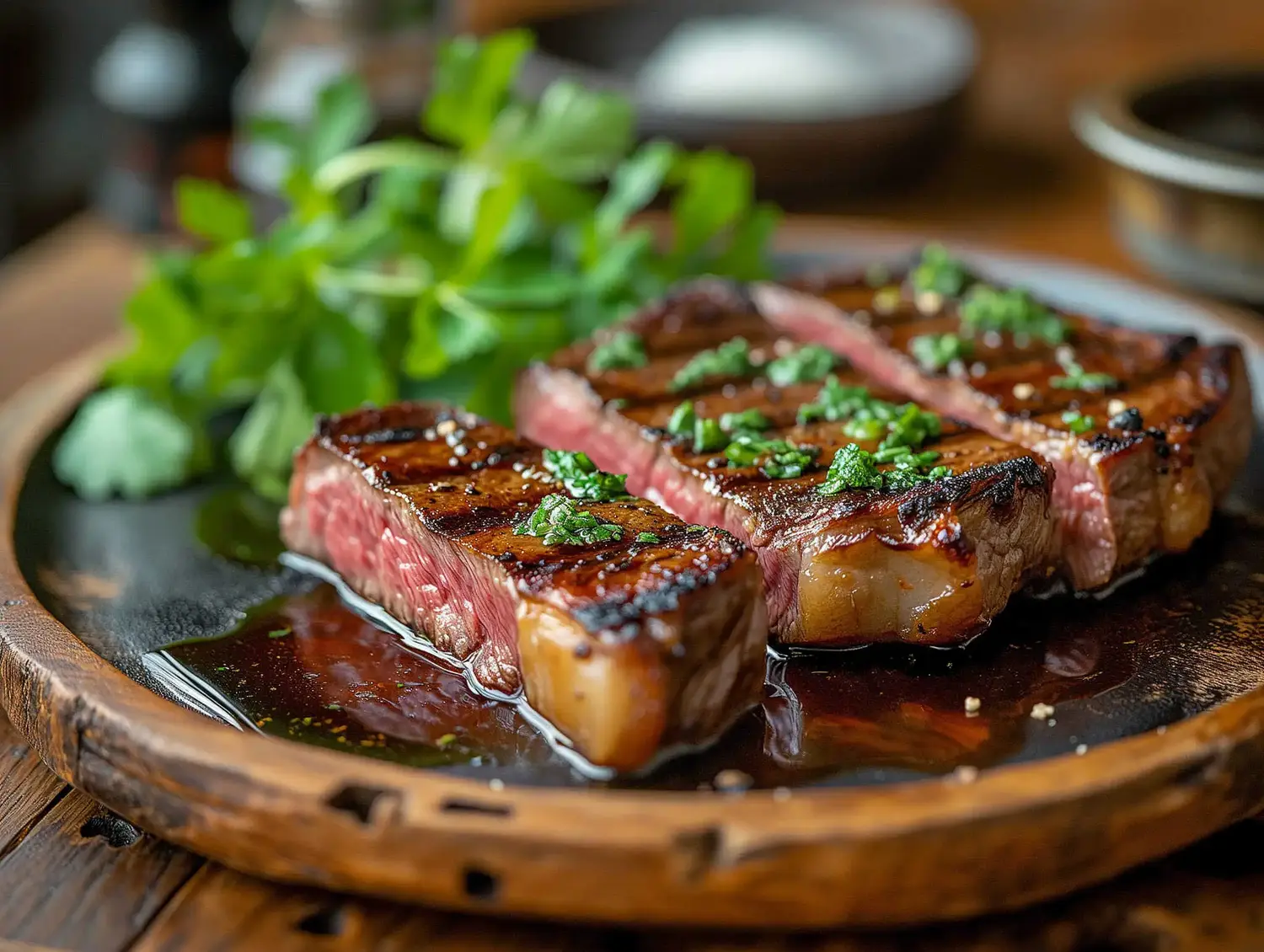
1. Beef: Typically, flank steak or sirloin steak is used in black pepper beef and scallops. The beef is sliced thinly against the grain to ensure tenderness and quick cooking.
2. Sea Scallops: Large or jumbo-sized scallops are preferred for this dish. Fresh scallops have a sweeter taste and better texture than frozen ones.
3. Black Pepper Sauce: This signature sauce is characterized by its deep, rich flavor and moderate spiciness, attributed to the generous use of coarsely ground black pepper. The sauce is made by sautéing minced garlic and shallots (or onions) in oil and then adding chicken or beef broth, soy sauce, oyster sauce, sugar, and a substantial amount of coarsely ground black pepper. Cornstarch slurry is used to thicken the sauce and give it a glossy appearance.
4. Aromatics: Besides garlic and shallots, some recipes may incorporate ginger or green onions to add depth and complexity.
5. Garnishes: The dish is often garnished with thinly sliced green onions and/or sesame seeds for added texture and visual appeal.
1. Preparing the beef and scallops: The beef slices are marinated with a mixture of soy sauce, cornstarch, and oil before cooking to help tenderize and add flavor. Scallops are gently patted dry and seasoned with salt and pepper before being seared on high heat to create a golden, caramelized exterior.
2. Cooking the sauce: Aromatics, such as garlic and shallots, are sautéed in oil until fragrant, and then the broth and seasonings are added and brought to a simmer. The sauce is cooked until it thickens, then the beef slices are briefly stir-fried in the sauce to absorb the flavors.
3. Adding the scallops: The scallops are added last to ensure they maintain their natural sweetness and delicate texture. They are cooked just until they turn opaque.
4. Serving: Black Pepper Beef and Scallops are typically served over a bed of steamed rice and garnished with green onions or sesame seeds. The aromatic sauce and the tender pieces of beef and scallops create a harmonious blend of flavors and textures.
This dish has several variations across different Chinese cuisines. Some restaurants might include vegetables such as bell peppers or mushrooms for added color and nutrition. Additionally, spice levels may vary depending on the region or the preferences of the diners. In some cases, Szechuan peppercorns or chili flakes are incorporated to increase the spiciness and give the dish a unique twist.
DISCLAIMER: This information is provided for general informational purposes only, and publication does not constitute an endorsement. Kwick365 does not warrant the accuracy or completeness of any information, text, graphics, links, or other items contained within this content. Kwick365 does not guarantee you will achieve any specific results if you follow any advice herein. It may be advisable for you to consult with a professional such as a lawyer, accountant, or business advisor for advice specific to your situation.
today
Copyright © 2026 KwickEAT.com
Designed by KwickPOS is the best restaurant POS