1
197 view
change
0
Beijing pork, also known as Peking pork or Jing style pork, is a traditional Chinese dish originating from Beijing, the capital city of China. The dish is renowned for its mouthwatering flavors, tender texture, and rich history. Let's dive in and explore the intricacies of this beloved dish.
Before we delve into the taste and preparation of Beijing pork, let's first understand its history. The dish has a long and storied past, dating back to the Qing dynasty (1644-1911) in Beijing. The dish was initially prepared for the imperial court, and its recipe was passed down through generations of chefs. Over time, the dish became popular in Beijing's restaurants and eventually spread throughout China. Today, Beijing pork is enjoyed not only in China but also in many countries worldwide, including the United States.
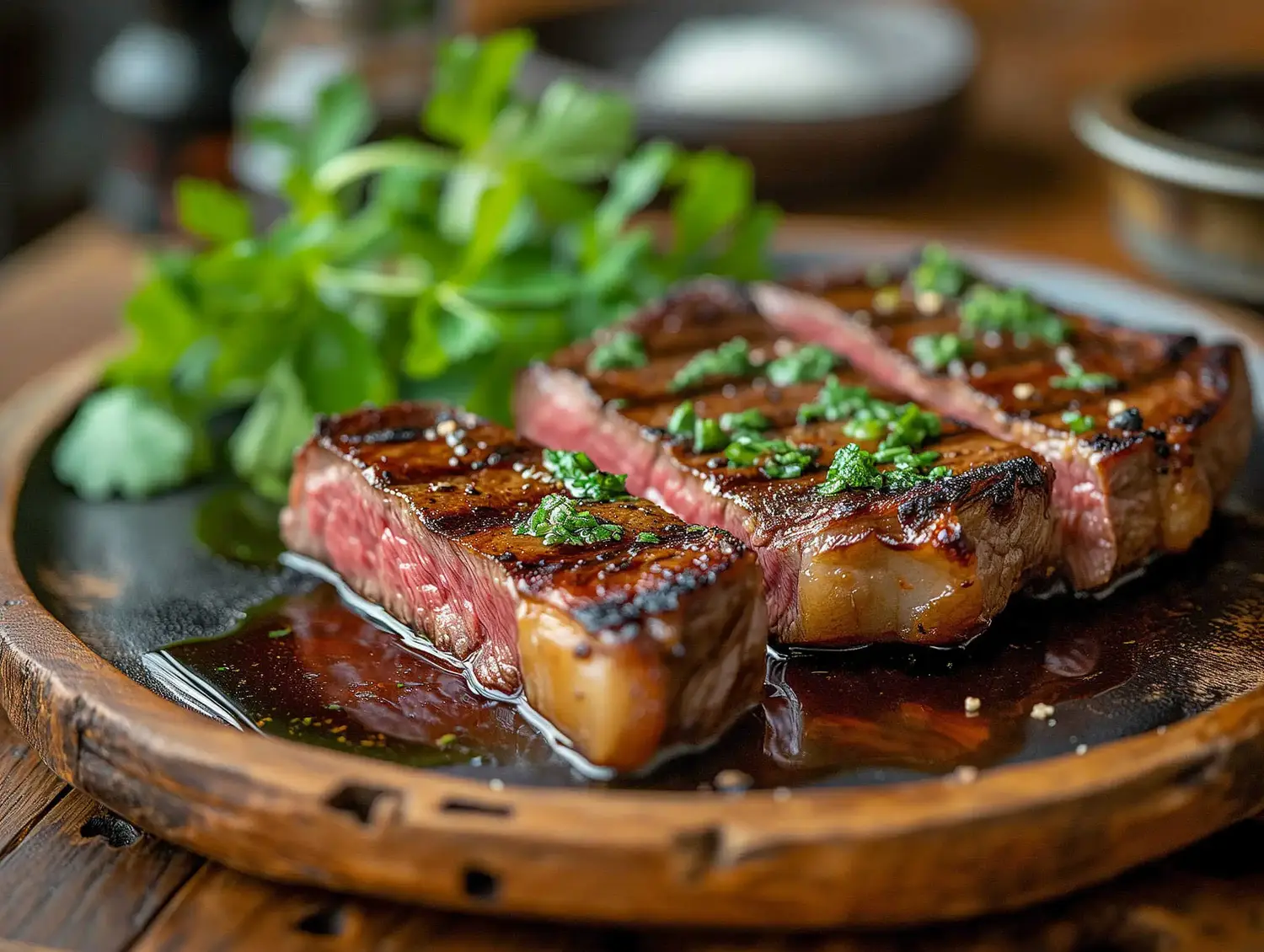
Now, let's explore the flavors and ingredients that make Beijing pork so delectable. The dish typically consists of a thinly sliced pork belly, which is first braised in a mixture of soy sauce, Shaoxing wine, and sugar. This braising process gives the pork a tender, melt-in-your-mouth texture and infuses it with an array of flavors. The pork is then pan-fried until crispy on the outside and served with a sweet and savory sauce.
The sauce is a blend of soy sauce, hoisin sauce, rice vinegar, and spices that give it a depth of flavor and a slightly sweet, tangy taste. The sauce is also adorned with aromatic spices, such as cloves, cinnamon, and star anise, which add warmth and depth to the dish. Additionally, some recipes may include ingredients like scallions, ginger, and chili peppers to enhance the flavor profile.
Now that we've explored the flavors and ingredients, let's move on to the preparation techniques that make Beijing pork stand out. The dish requires a few specific cooking techniques that contribute to its unique taste and texture.
First, the pork belly is braised in a mixture of soy sauce, Shaoxing wine, and sugar. This slow-cooking process tenderizes the pork and infuses it with flavor. Once the pork is tender, it is carefully sliced into thin strips and pan-fried until crispy and golden brown. This crispy exterior gives way to a juicy, flavorful interior that simply melts in your mouth.
In addition to the pork, the sauce is also carefully prepared to enhance the flavors of the dish. The sauce is typically made by reducing a mixture of soy sauce, hoisin sauce, rice vinegar, and spices over low heat until it reaches a rich, syrupy consistency. This process intensifies the flavors of the sauce, creating a harmonious balance of sweet, savory, and tangy notes.
While Beijing pork is a beloved dish across China, there are regional variations that offer unique twists on the classic dish. For example, in the northern provinces, the pork may be cooked with additional ingredients like cabbage or bok choy to create a heartier, more substantial dish. In the southeastern provinces, the pork may be marinated in a mixture of soy sauce, vinegar, and chili oil for a spicy kick.
In the United States, Beijing pork is often adapted to suit local tastes and ingredients, resulting in inventive variations of the classic dish. Some restaurants may offer a fusion-style Beijing pork taco or a BBQ Beijing pork sandwich, showcasing the versatility and global appeal of this beloved dish.
Beijing pork is a true culinary gem that has captured the hearts and taste buds of people around the world. Its rich history, tender texture, and savory flavors have made it a staple in Chinese cuisine, and its adaptability has allowed it to be enjoyed in diverse forms across different cultures.
Whether you're dining at a traditional Chinese restaurant or trying a modern fusion version, Beijing pork is a dish that will leave you craving more. Its flavors and textures are sure to delight your senses and ignite your passion for exploring the wonders of global cuisine.
We hope that this in-depth exploration of Beijing pork has inspired you to embark on your own culinary adventures and discover the many delicious flavors that our world has to offer. Bon appétit, dear reader!
DISCLAIMER: This information is provided for general informational purposes only, and publication does not constitute an endorsement. Kwick365 does not warrant the accuracy or completeness of any information, text, graphics, links, or other items contained within this content. Kwick365 does not guarantee you will achieve any specific results if you follow any advice herein. It may be advisable for you to consult with a professional such as a lawyer, accountant, or business advisor for advice specific to your situation.
today
Copyright © 2026 KwickEAT.com
Designed by KwickPOS is the best restaurant POS