1
205 view
change
0
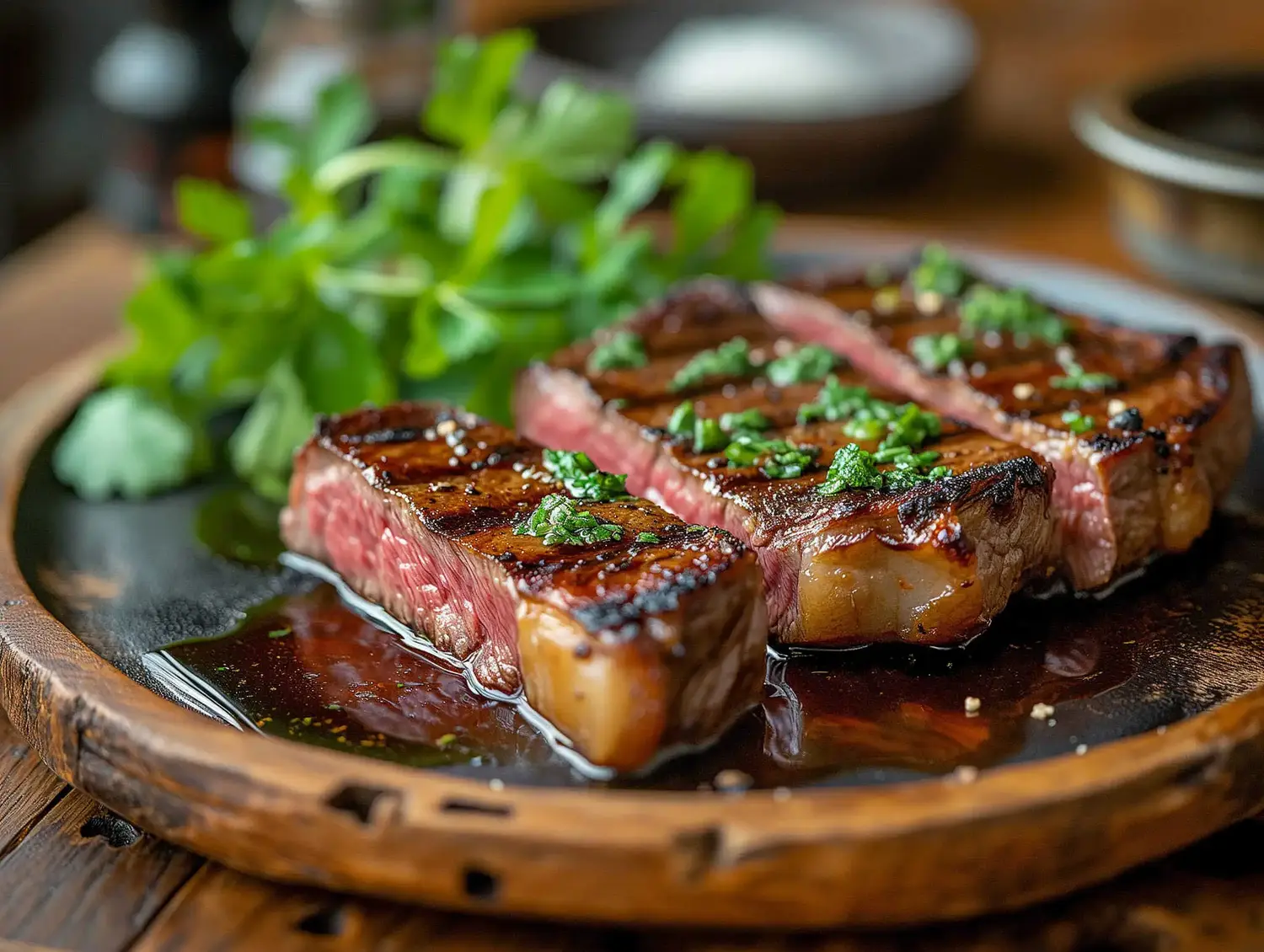
Beef Bell Pepper is a dish that has its roots in Asian cuisine, specifically Chinese and Vietnamese cooking. It typically consists of sliced beef cooked in a savory sauce, served with crisp bell peppers and a medley of vegetables, all nestled on a bed of steaming hot rice. The dish has gained widespread popularity in the United States, with various regional variations and adaptations.
The origins of Beef Bell Pepper can be traced back to the Sino-Vietnamese community, where beef was cooked with various spices and herbs, and served with bell peppers and rice. Over time, the dish made its way to the United States, where it gained immense popularity, especially in Chinese-American and Vietnamese-American restaurants.
The dish's popularity can be attributed to its versatility and adaptability. Beef Bell Pepper can be tailored to suit various tastes and preferences, from spicy to mild, and can be served as a main course, side dish, or even as a snack. Its appeal also lies in the combination of flavors, textures, and colors, making it an Instagram-worthy dish.
1. Savory Sauce: The savory sauce is the backbone of this dish. It's typically made with a combination of soy sauce, oyster sauce, hoisin sauce, and sugar. The sweet and savory flavors of the sauce complement the bold flavor of the beef, creating a harmonious balance of flavors.
2. Beef: Thinly sliced beef, usually flank steak or ribeye, is the protein star of the dish. It's typically marinated in a mixture of soy sauce, sugar, and cornstarch, allowing the beef to absorb the flavors and stay tender and juicy.
3. Bell Peppers: Crunchy bell peppers add a pop of color and texture to the dish. They provide a sweet contrast to the savory sauce and beef. The crunch from the peppers also adds a satisfying texture to the dish.
4. Vegetables: A medley of vegetables such as onions, carrots, and celery add a burst of freshness and a splash of color. The vegetables are usually stir-fried with the beef and bell peppers, creating a harmonious blend of flavors and textures.
5. Rice: steamy hot rice is the foundation of the dish. It soaks up the savory sauce and provides a comforting, filling base for the beef, bell peppers, and vegetables.
Beef Bell Pepper has numerous regional variations across the United States, with each region putting its unique spin on the dish. Some variations include:
1. Chinese-American Version: This version typically includes a thicker, sweeter sauce and a variety of vegetables such as bok choy, mushrooms, and snow peas.
2. Vietnamese-American Version: This version has a lighter, more tangy sauce and often includes pineapple chunks, baby corn, and a sprinkle of chopped cilantro.
3. Korean-American Version: This version has a spicy kick, with the addition of gochujang (Korean chili paste) and kimchi, giving it a fiery, umami flavor.
1. Customize it: Don't be afraid to ask for adjustments to suit your taste. Request it spicy, mild, or with specific vegetables.
2. Go for freshness: Freshness is key. Ensure the bell peppers are crunchy, and the vegetables are crisp and not overcooked.
3. Balance of flavors: Ensure the sauce isn't too sweet or too salty. The flavors should be well-balanced, complementing each component of the dish.
4. Generous portions: The dish should be filling, with generous portions of beef, bell peppers, and vegetables.
Beef Bell Pepper is a mouth-watering dish that has captured the hearts of foodies across the United States. Its versatility, adaptability, and delicious flavors have made it a staple on many restaurant menus. Whether you're in the mood for something savory, sweet, or spicy, Beef Bell Pepper is sure to satisfy your cravings. So go ahead, explore this delectable dish, and indulge in its flavors, textures, and colors. Bon appétit!
DISCLAIMER: This information is provided for general informational purposes only, and publication does not constitute an endorsement. Kwick365 does not warrant the accuracy or completeness of any information, text, graphics, links, or other items contained within this content. Kwick365 does not guarantee you will achieve any specific results if you follow any advice herein. It may be advisable for you to consult with a professional such as a lawyer, accountant, or business advisor for advice specific to your situation.
today
Copyright © 2026 KwickEAT.com
Designed by KwickPOS is the best restaurant POS