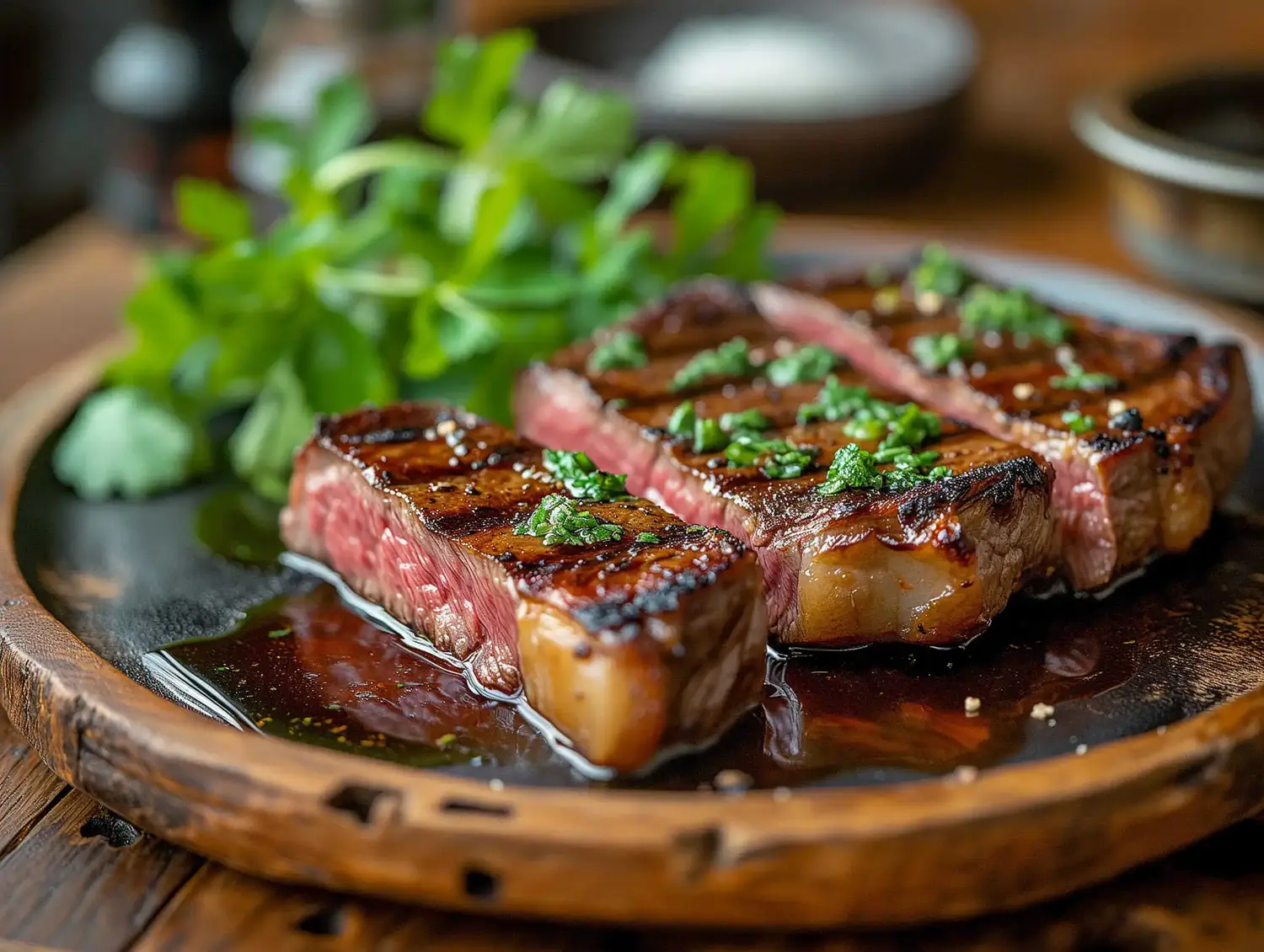
Basil Leaves

Basil Leaves
1 122 view change 0

Learning about Basil Leaves in US Restaurants:

Botanical Background:

  • Basil (Ocimum basilicum) is a fragrant herb belonging to the Lamiaceae family.
  • Native to southern Europe, western Asia, and parts of the Mediterranean.
  • Cultivated widely in many countries for culinary and medicinal purposes.
  • Flavor and Aroma:

  • Sweet, aromatic leaves with a slightly peppery taste.
  • Aroma is rich in eugenol, contributing to its distinct fragrance and flavor.
  • Different varieties offer nuanced variations in flavor and aroma.
  • Culinary Uses:

  • Widely used in Mediterranean and Italian cuisines.
  • Commonly used in pesto sauce, a staple condiment in many Italian dishes.
  • Added to soups, salads, sauces, and even desserts.
  • Common Applications in US Restaurants:

  • Pesto Sauce
    Restaurants frequently offer homemade pesto sauce made with fresh basil leaves, pine nuts, garlic, olive oil, and Parmesan cheese.
  • Pasta Dishes
    Basil leaves are often used as garnish or added to pasta dishes like pesto pasta, where they provide flavor and texture.
  • Salads and Sandwiches
    Fresh basil leaves are frequently used in salads, sandwiches, and wraps.
  • Entrees and Sides
    Some restaurants might use basil leaves in soups, grilled dishes, or even desserts.
  • Types of Basil Commonly Found in US Restaurants:

  • Sweet Basil
    The most common and widely used variety, known for its sweet and slightly peppery flavor.
  • Genovese Basil
    Known for its larger leaves and slightly more intense flavor compared to sweet basil.
  • Purple Basil
    Distinctive for its purple leaves and slightly different flavor profile.
  • Other Considerations:

  • Fresh vs. Dried Basil
    Restaurants often use both fresh and dried basil leaves. Fresh basil offers the most intense flavor, while dried basil provides a more subtle aroma and taste.
  • Seasonality
    The availability and quality of basil leaves can vary depending on the season and region.
  • Culinary Skills
    Some restaurants have chefs with expertise in using basil leaves in various ways, creating unique and delicious dishes.
  • DISCLAIMER: This information is provided for general informational purposes only, and publication does not constitute an endorsement. Kwick365 does not warrant the accuracy or completeness of any information, text, graphics, links, or other items contained within this content. Kwick365 does not guarantee you will achieve any specific results if you follow any advice herein. It may be advisable for you to consult with a professional such as a lawyer, accountant, or business advisor for advice specific to your situation.

    These restaurants serving Basil Leaves

    AZN CENTRAL KITCHEN

    Fayetteville GA

    Contact us

    today