1
203 view
change
0
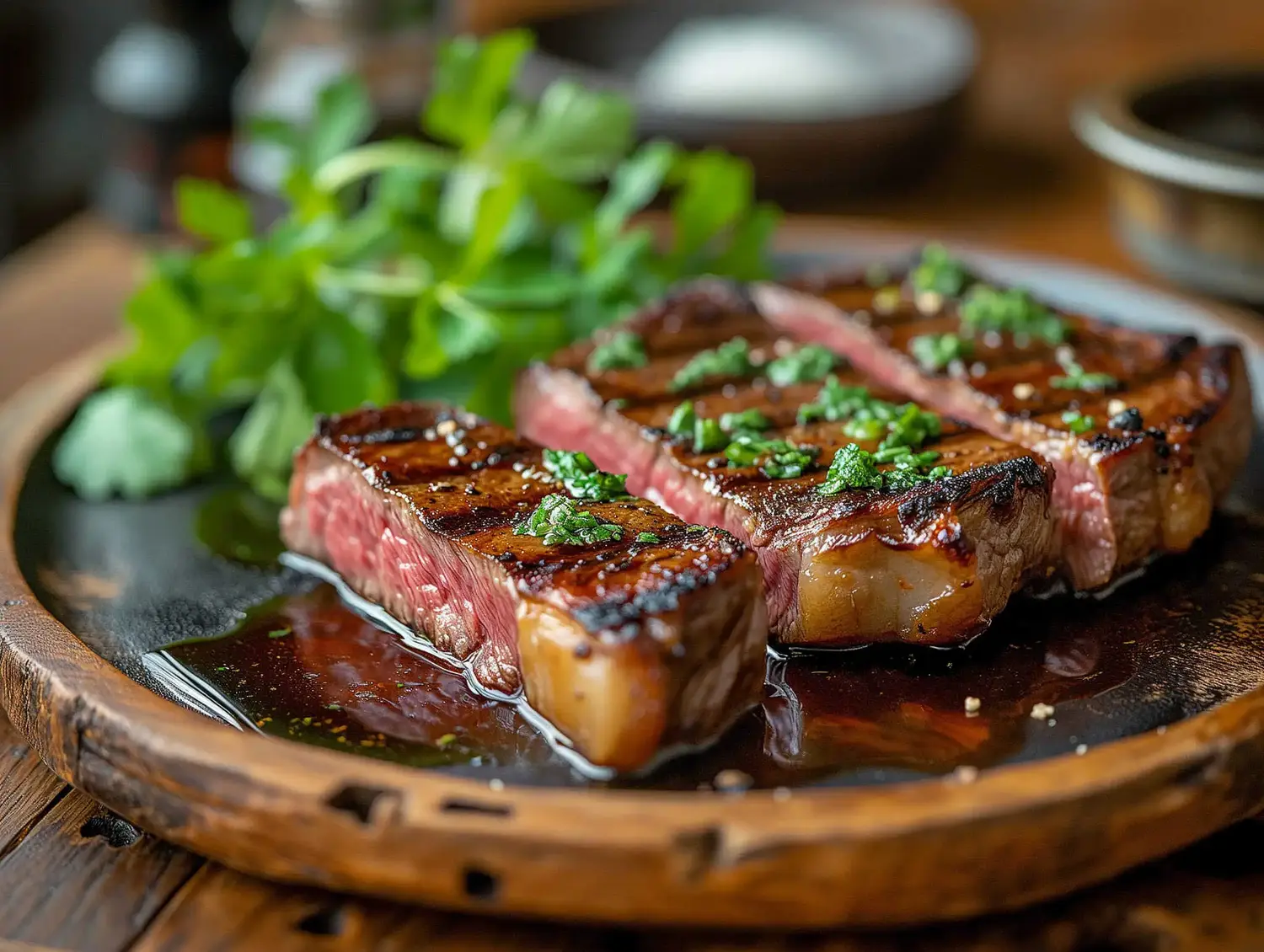
Let's start by visualizing a plate of tender, juicy, fall-off-the-bone pork ribs, smothered in a tangy barbecue sauce, accompanied by a side of crispy coleslaw and a few slices of crusty bread. That's right, folks, we're talking about barbecued spare ribs!
But what exactly are barbecued spare ribs, and how did they become such a beloved dish in American cuisine? Let's take a closer look at the history of this mouth-watering dish.
The origin of barbecued spare ribs can be traced back to the pre-Columbian era, when indigenous tribes in the Americas would slow-cook pork over open flames, using a frame of green wood to hold the meat in place. The word "barbacoa" (later shortened to "barbecue") was born from this cooking method. Over time, European colonizers brought their own techniques and sauces to the process, and barbecued spare ribs began to take shape as we know them today.
Spare ribs themselves are a cut of pork that comes from the belly of the pig. To prepare them for barbecuing, the meat is typically trimmed of excess fat, then marinated in a blend of spices, herbs, and acidic ingredients like vinegar or citrus. This mixture of flavors not only adds depth to the dish but helps to break down the connective tissues in the meat, ensuring a tender, fall-off-the-bone texture.
The marinade for barbecued spare ribs often involves a combination of sweet, sour, and spicy elements. Common ingredients include ketchup, brown sugar, Worcestershire sauce, soy sauce, apple cider vinegar, garlic, and hot sauce (such as Tabasco). Some recipes may also include aromatics like onions, oranges, or lemons.
This marinade is typically applied to the pork ribs a day or even several hours before cooking. The ribs are then left to marinate in the refrigerator, allowing the flavors to deeply penetrate the meat. This slow-cooking process helps to transform tough, chewy pork ribs into a tender and savory dish that easily falls off the bone.
Barbecued spare ribs would not be complete without their signature barbecue sauce. This tangy, slightly sweet condiment is typically applied to the ribs during the last stage of cooking. The sauce is a blend of tomato paste, vinegar, brown sugar, and spices, which caramelizes and forms a sticky, flavorful crust on the surface of the ribs.
Barbecue sauce can range in flavor from tangy to spicy, depending on regional preferences and personal tastes. Some popular barbecue styles include Kansas City, Missouri, tomato-based sauce; North Carolina's vinegar-based sauce; and the sweeter, tomato-based sauce found in Memphis, Tennessee.
Now that we've explored the history and marination process, let's dive into how barbecued spare ribs are actually prepared. Here are some of the most common techniques:
1. Low and Slow Cooking: This method involves cooking the ribs low and slow over indirect heat, often using a charcoal or gas grill, until they're tender and caramelized.
2. Smoking: Smoking is a popular technique that enhances the flavor of barbecued spare ribs. Wood chips or chunks are added to a smoker box, which releases that signature smoky flavor during cooking.
3. Braising: Braising is a cooking method that involves browning the ribs on all sides in a pan, then transferring them to a covered pot or slow cooker with some liquid (such as stock or wine) and seasonings. The ribs are then simmered until tender and falling off the bone.
4. Rubs: Rubs are a key component of barbecued spare ribs. A dry rub of spices, herbs, and sugars is often applied to the cleaned and trimmed ribs before marinating. This helps to enhance the overall flavor of the dish and create a crunchy, well-seasoned crust.
The presentation of barbecued spare ribs is just as important as the cooking process. They are often garnished with fresh herbs, such as parsley or cilantro, and served with a tangy coleslaw or a crisp green salad. Some restaurants may also offer a side of cornbread or crusty bread to soak up the delectable barbecue sauce.
While barbecued spare ribs may not be the healthiest dish, there are ways to make them a bit more nutritious. Opting for grass-fed or pasture-raised pork ribs will provide higher quality proteins and fats, and trimming excess fat from the ribs can reduce overall calorie intake. You can also try baking or grilling the ribs instead of deep-frying to cut back on grease.
Here's a tip: If you're watching your calorie intake, consider sharing a portion of barbecued spare ribs or saving some for a later meal. A single serving of ribs contains approximately 300-400 calories.
Barbecued spare ribs come in many styles and regional flavors across the United States. Some notable variations include:
1. Kansas City-style: This style, popularized in Kansas City, Missouri, is characterized by a thick tomato-based sauce, burnt ends (the crispy, flavorful edges of the ribs), and a focus on slow-smoking over hickory wood.
2. Memphis-style: In Memphis, Tennessee, barbecued spare ribs are slow-cooked with a dry rub, then slathered in a sweet and tangy tomato-based sauce. They're often served with a side of coleslaw and a vinegar-based "wet" sauce.
3. St. Louis-style: St. Louis, Missouri, is famous for its pork ribs, which are slow-smoked over hickory wood and slathered in a sweet and tangy sauce. They're typically served with a side of baked beans and cornbrea
4. North Carolina-style: In North Carolina, there are four distinct regional styles of barbecue, all based on the vinegar-based sauce. The Eastern region is known for its vinegar-based sauce with a hint of sweetness, while Lexington-style barbecue adds ketchup to the sauce for a sweeter flavor. In the Piedmont region, a mix of vinegar and ketchup is used, and Western-style barbecue is known for its heavy use of tomato sauce.
So, the next time you're in the mood for a delicious, fall-off-the-bone dish, look no further than barbecued spare ribs! With their rich history, diverse regional flavors, and tender, mouth-watering texture, it's no wonder they remain a beloved favorite across the United States.
Now, go forth and indulge in a plate of these mouth-watering, tender, and flavorful barbecued spare ribs. Bon appétit!
DISCLAIMER: This information is provided for general informational purposes only, and publication does not constitute an endorsement. Kwick365 does not warrant the accuracy or completeness of any information, text, graphics, links, or other items contained within this content. Kwick365 does not guarantee you will achieve any specific results if you follow any advice herein. It may be advisable for you to consult with a professional such as a lawyer, accountant, or business advisor for advice specific to your situation.
today
Copyright © 2026 KwickEAT.com
Designed by KwickPOS is the best restaurant POS